
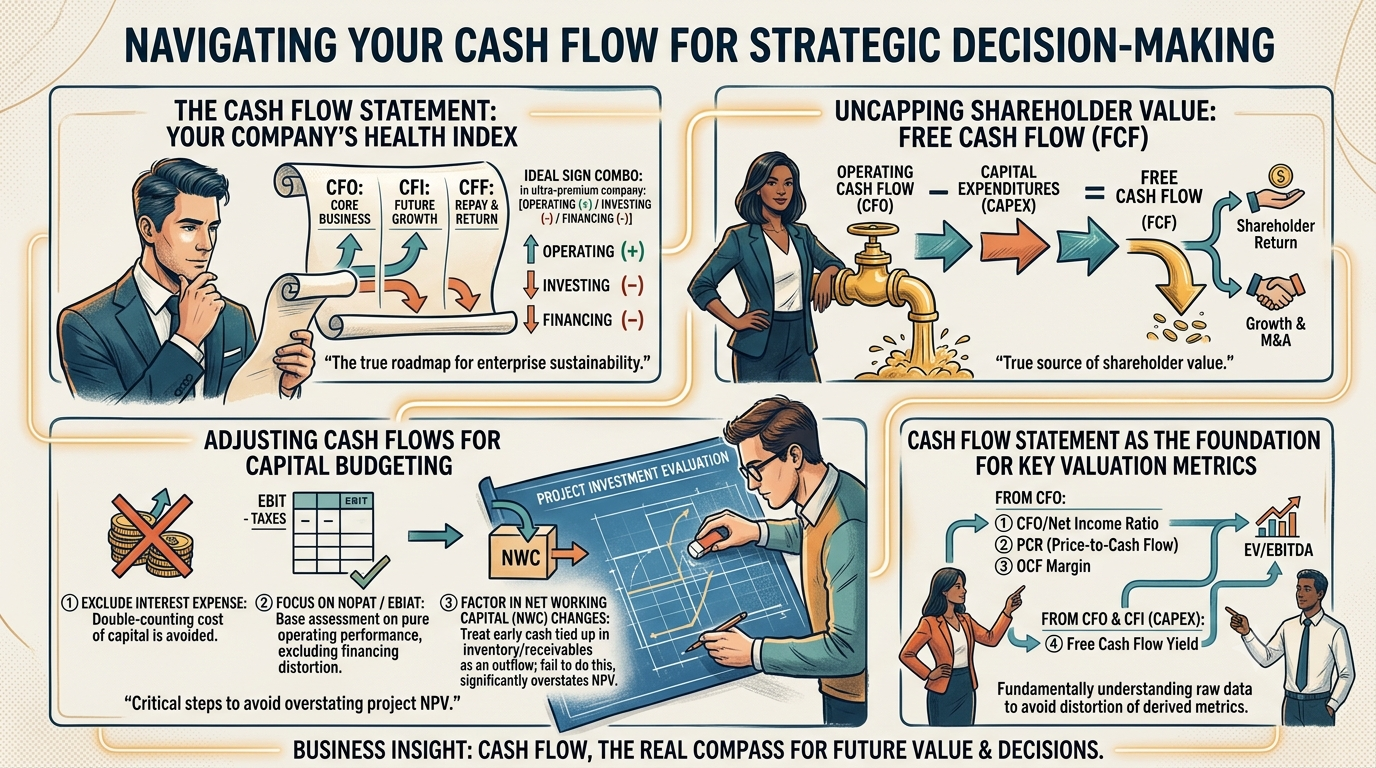
Beyond Net Income: The Executive Guide to Cash Flow Analysis and Capital Budgeting
Even if a company reports soaring net income on its income statement, it cannot survive without the consistent circulation of […]
Even if a company reports soaring net income on its income statement, it cannot survive without the consistent circulation of […]
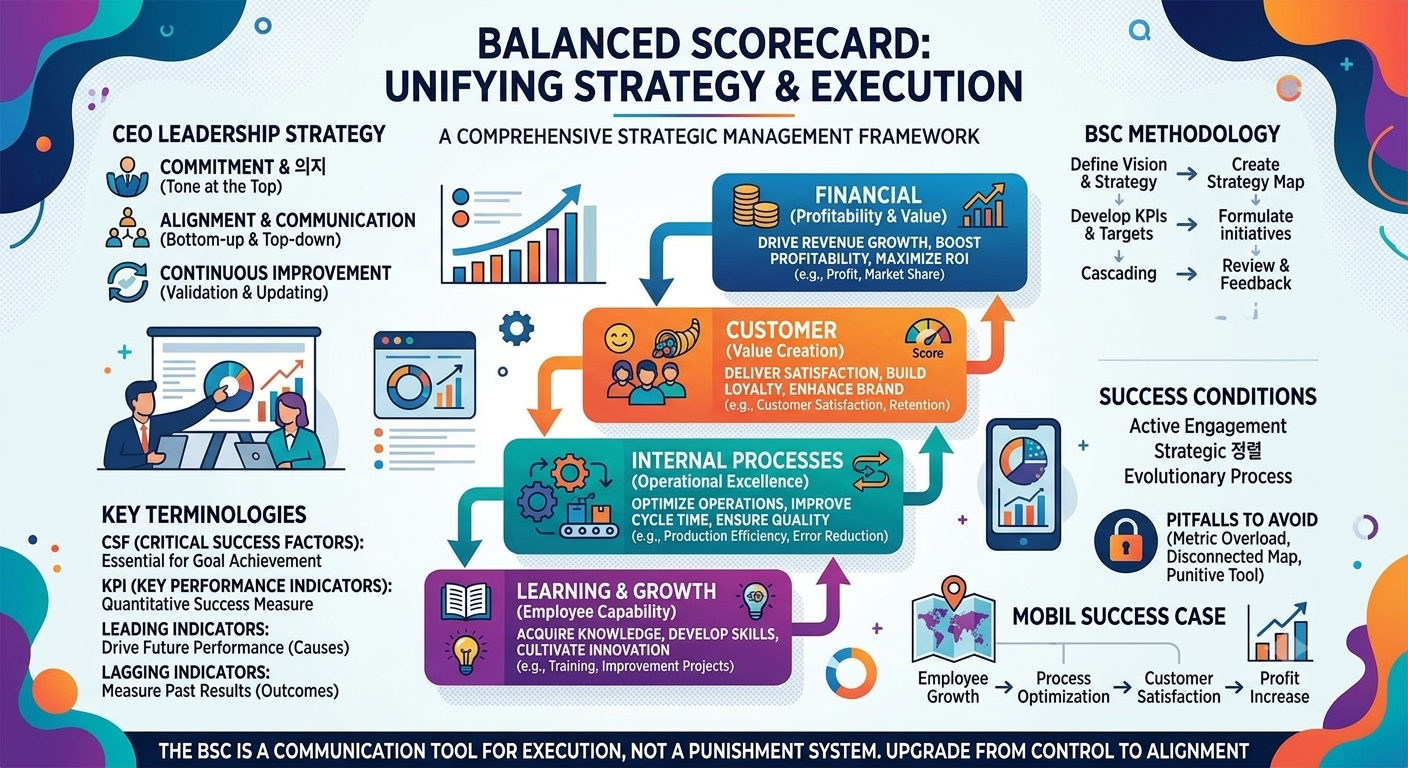
Developing a long-term corporate vision and formulating precise organizational goals are essential parts of business leadership. However, an organization’s ultimate
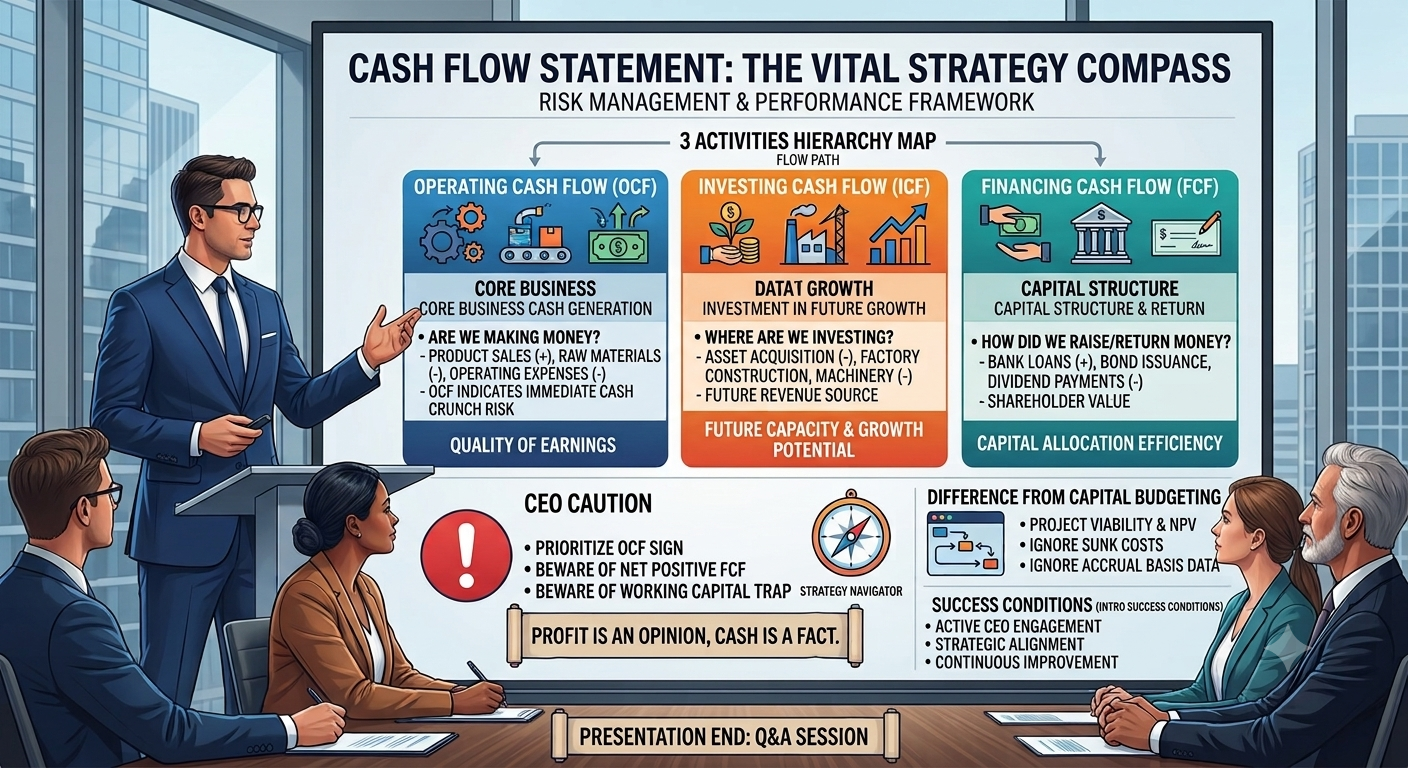
When evaluating corporate performance, many executives mistakenly treat net income as the definitive indicator of business stability. They operate under
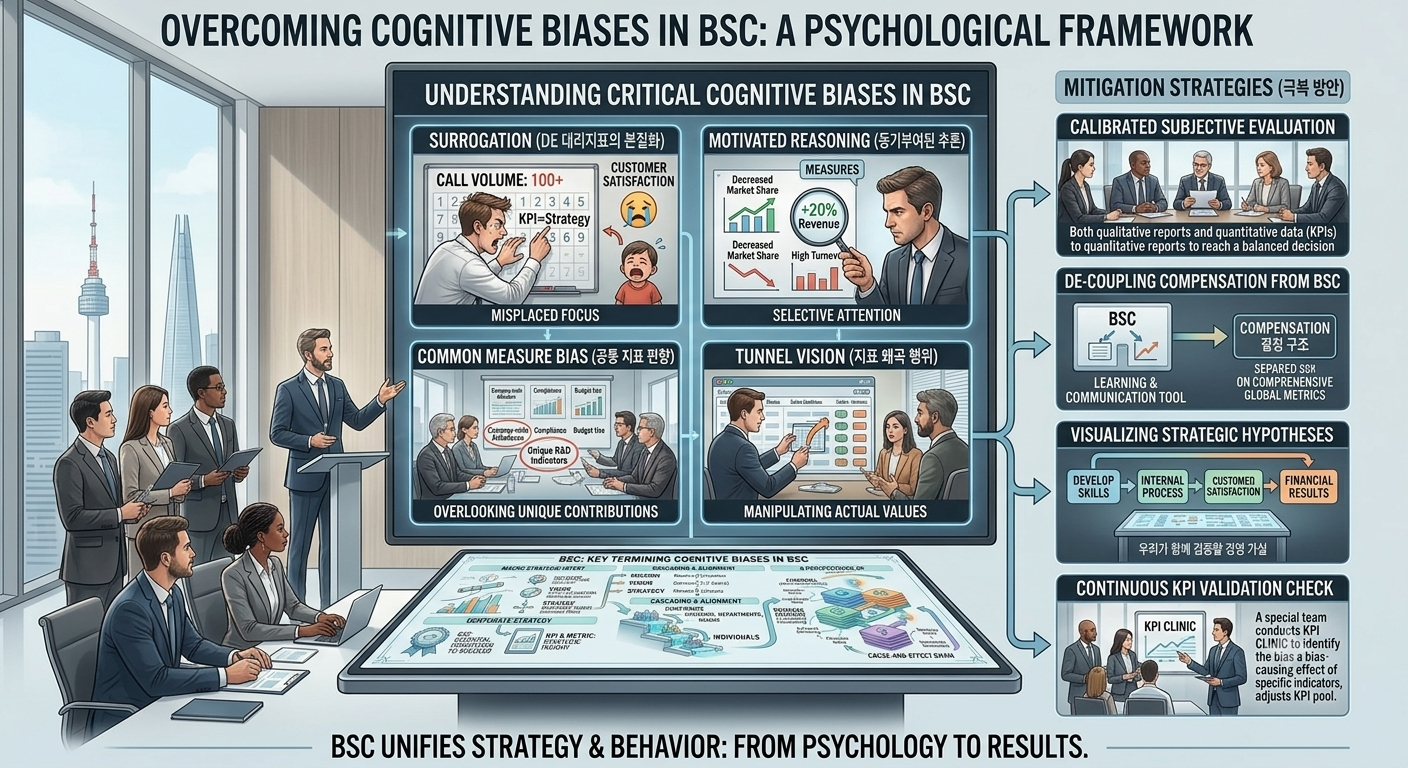
When a meticulously engineered performance management system like the Balanced Scorecard (BSC) fails, executives rarely blame the metrics themselves. Instead,
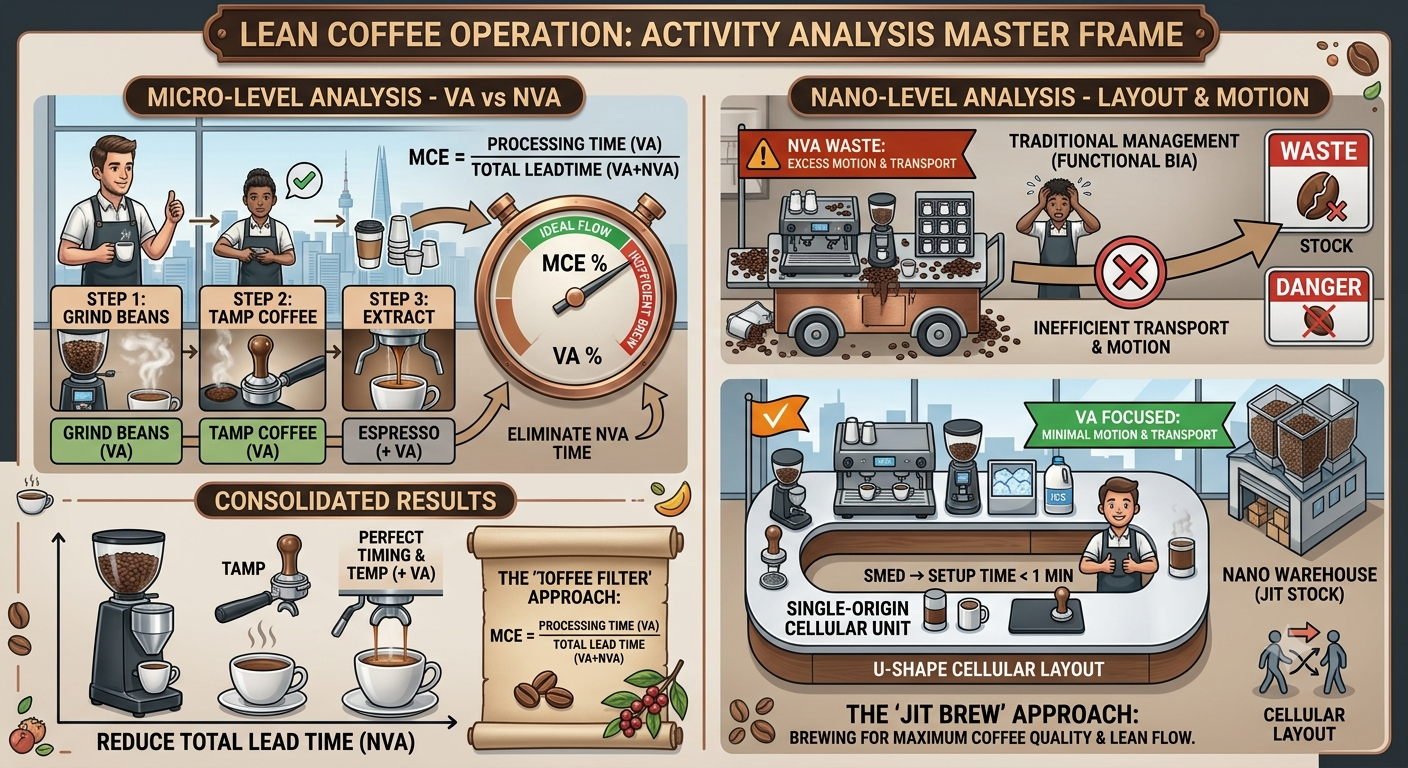
In modern corporate governance, running a highly adaptable organization while instilling decentralized accountability across business units requires a precise diagnostic

To achieve success with decentralization and autonomous accountability in modern corporate governance, enterprise leaders must provide local business units with
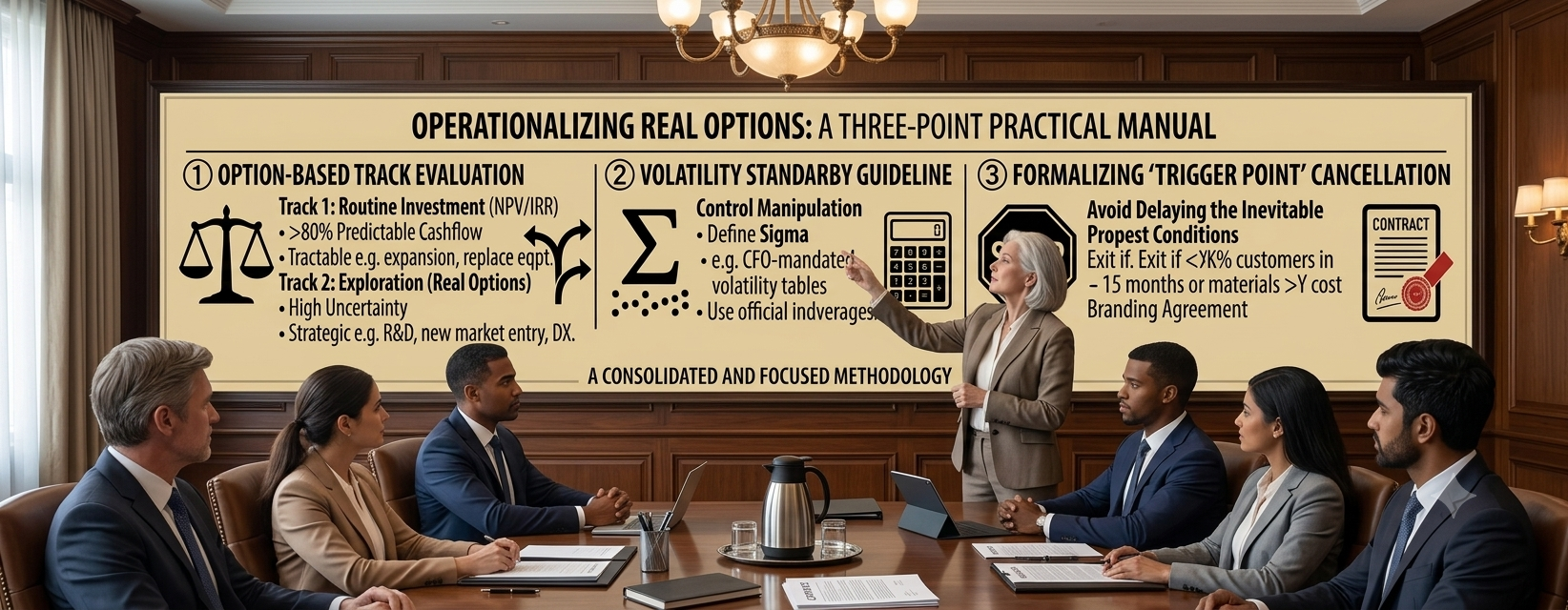
In the traditional landscape of corporate governance, operations moved in lockstep according to the centralized directives of a single top-down

In the past, corporate management operated on a traditional top-down model, moving in unison strictly under the command of a
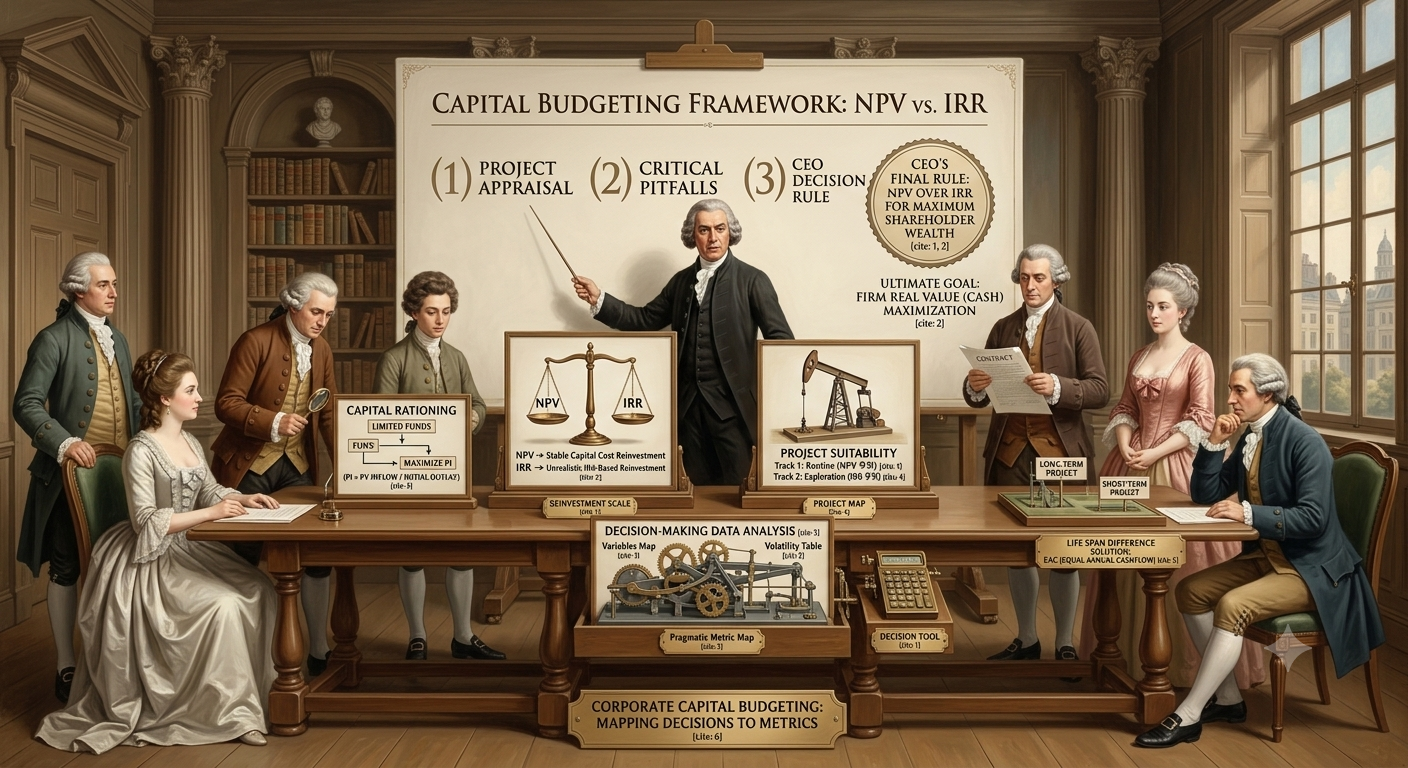
In our previous session, we introduced the core mechanisms of capital budgeting, specifically focusing on Net Present Value and the

In the past, corporate management often resembled a short-term survival game—squeezing immediate production costs and chasing this month’s sales targets.