
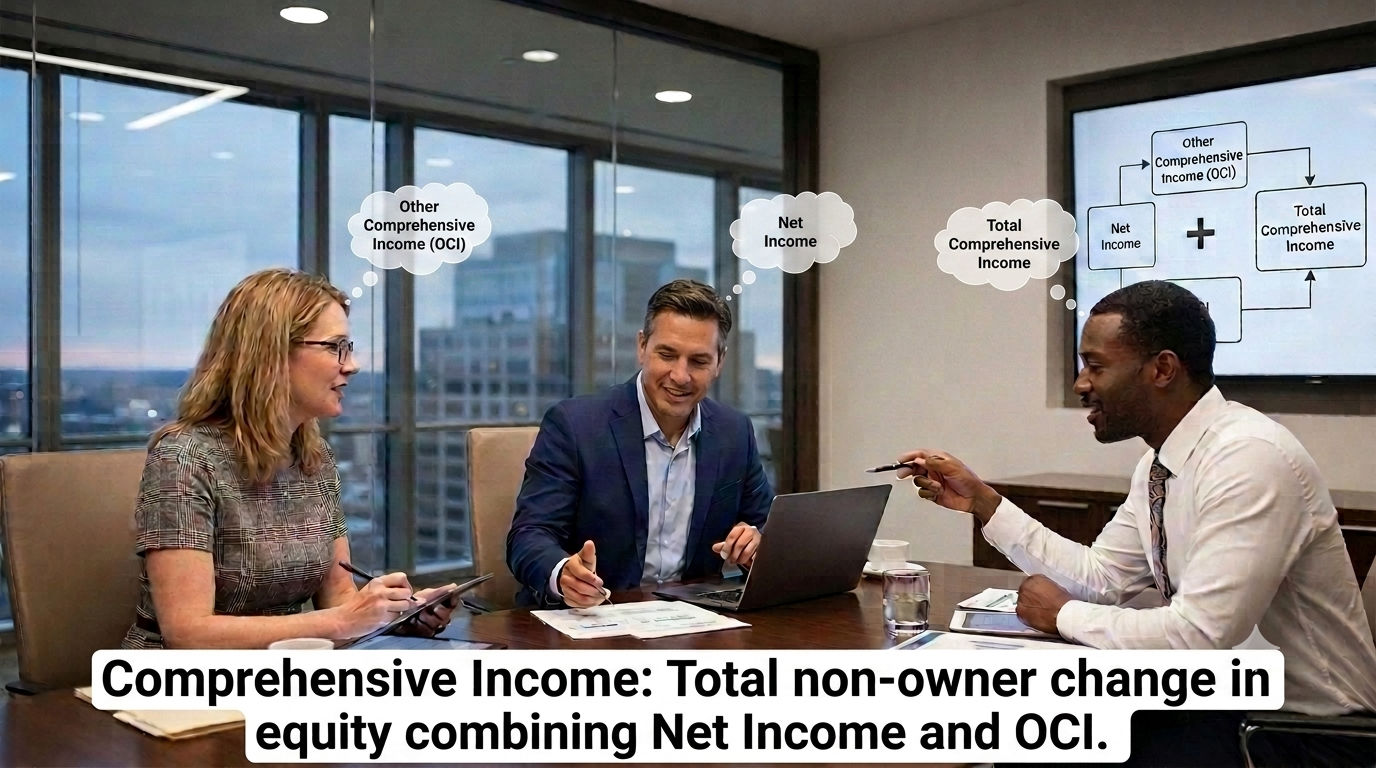
Net Income, OCI, and Comprehensive Income: A Complete Accounting & Investment Guide
When assessing a corporation’s earnings power through its operational activities, Net Income (bottom-line net profit) has historically served as the […]
When assessing a corporation’s earnings power through its operational activities, Net Income (bottom-line net profit) has historically served as the […]
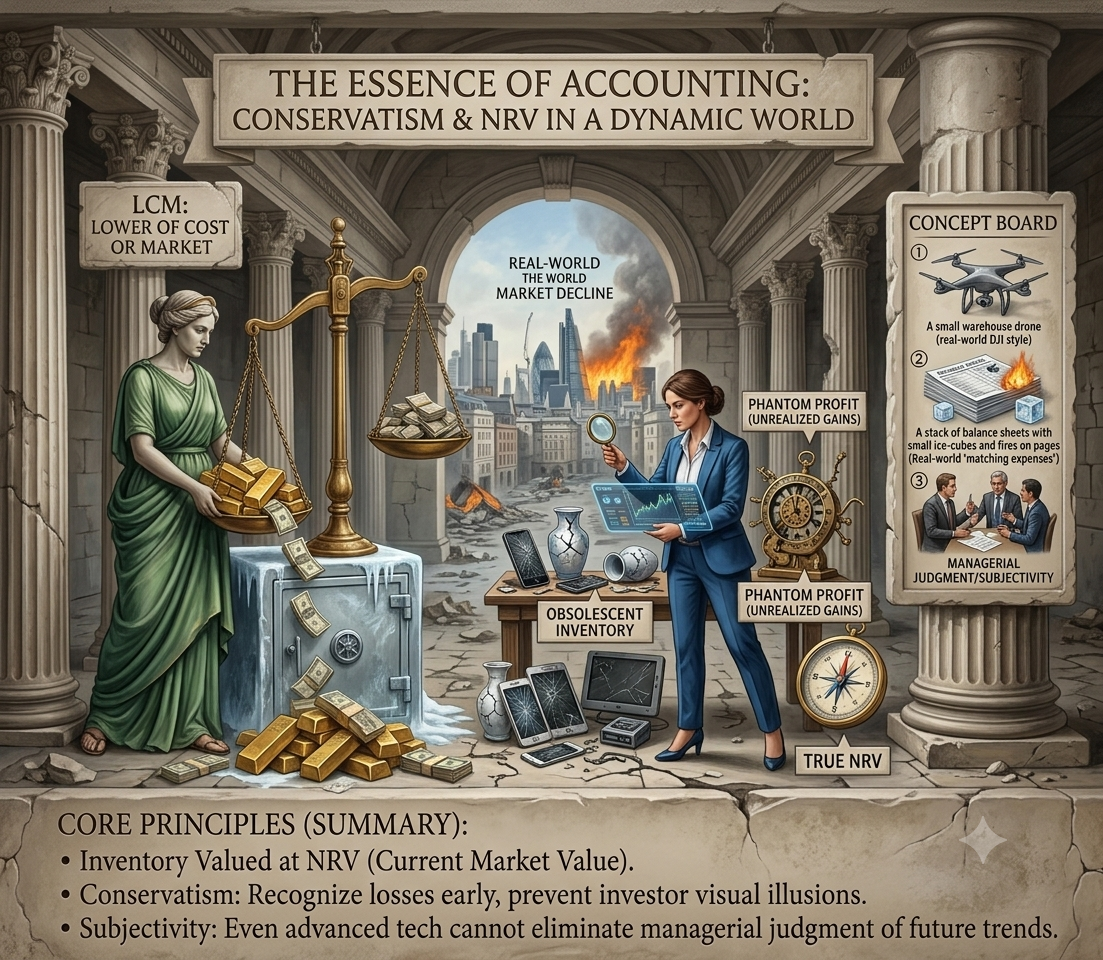
A corporate warehouse is not merely a physical storage space; it is a reservoir of “frozen cash” that must remain
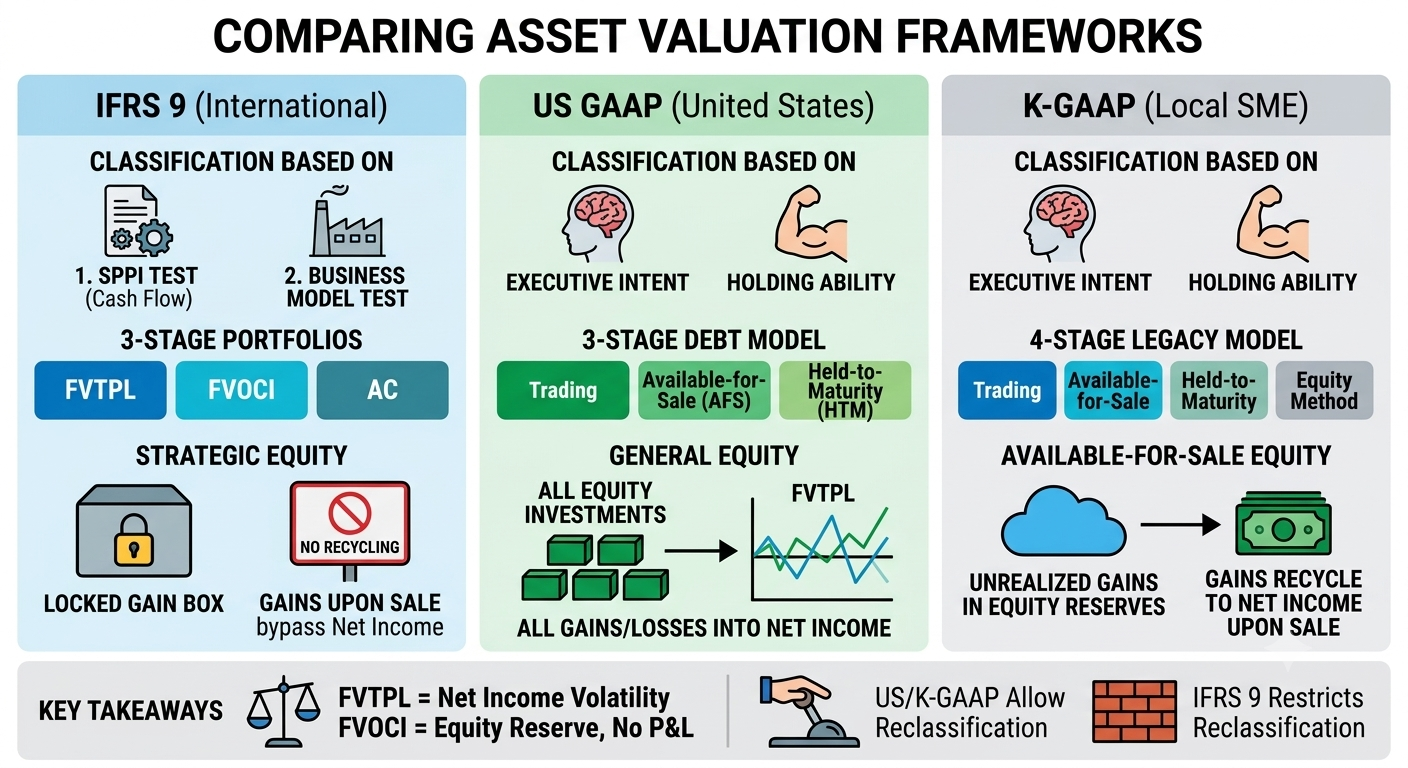
A corporation’s asset base extends far beyond physical inventory sitting in warehouses; it includes liquid reserves deployed into equity stakes,
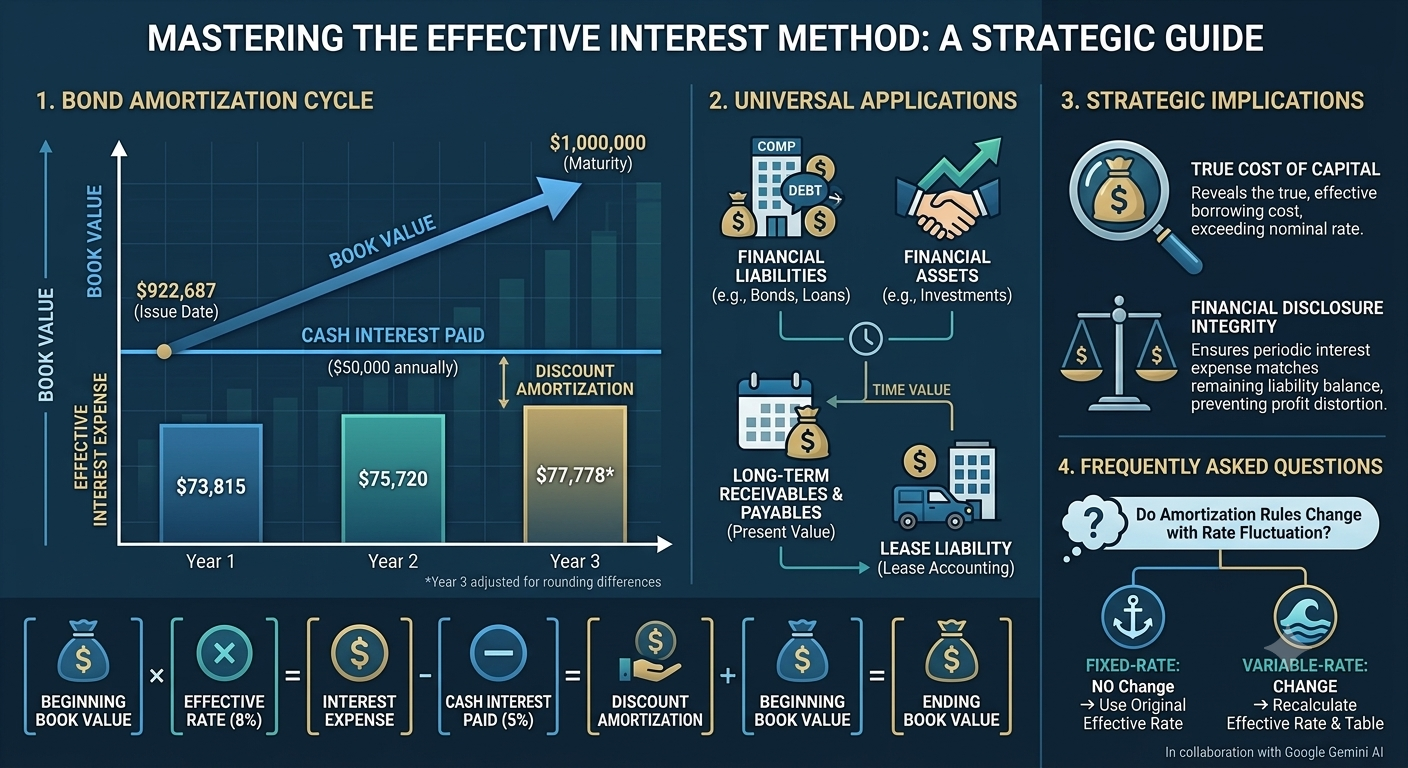
When managing accounting records for corporate bonds and debt instruments, financial professionals and accountants inevitably encounter a major hurdle: the
Revalued long-term assets at current market prices (fair value) can be a cumbersome and expensive undertaking for corporate finance teams.
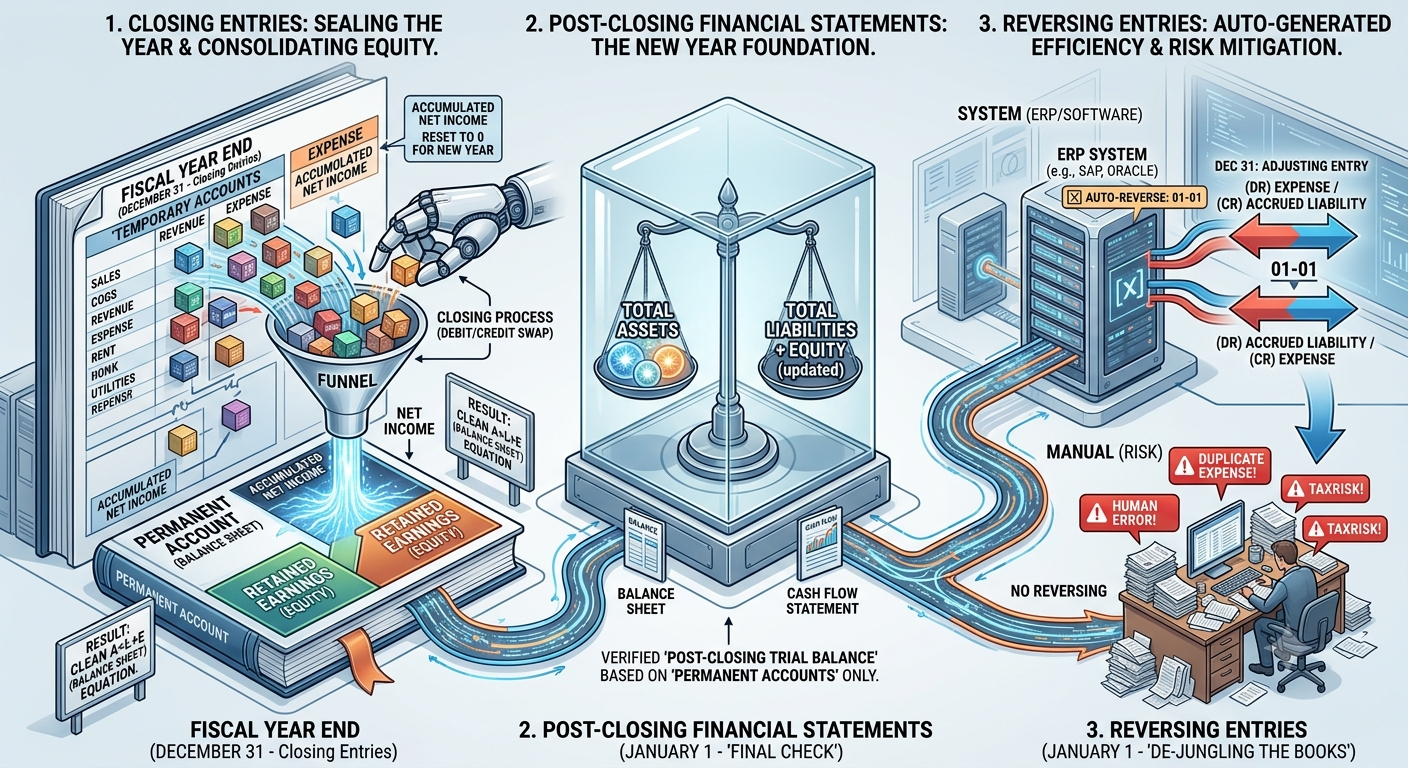
The fundamental accounting equation—Assets = Liabilities + Equity—alongside double-entry bookkeeping serves as the underlying economic law supporting every corporate financial

A corporation’s asset base extends far beyond the physical goods stacked in a warehouse. The stocks and bonds acquired to
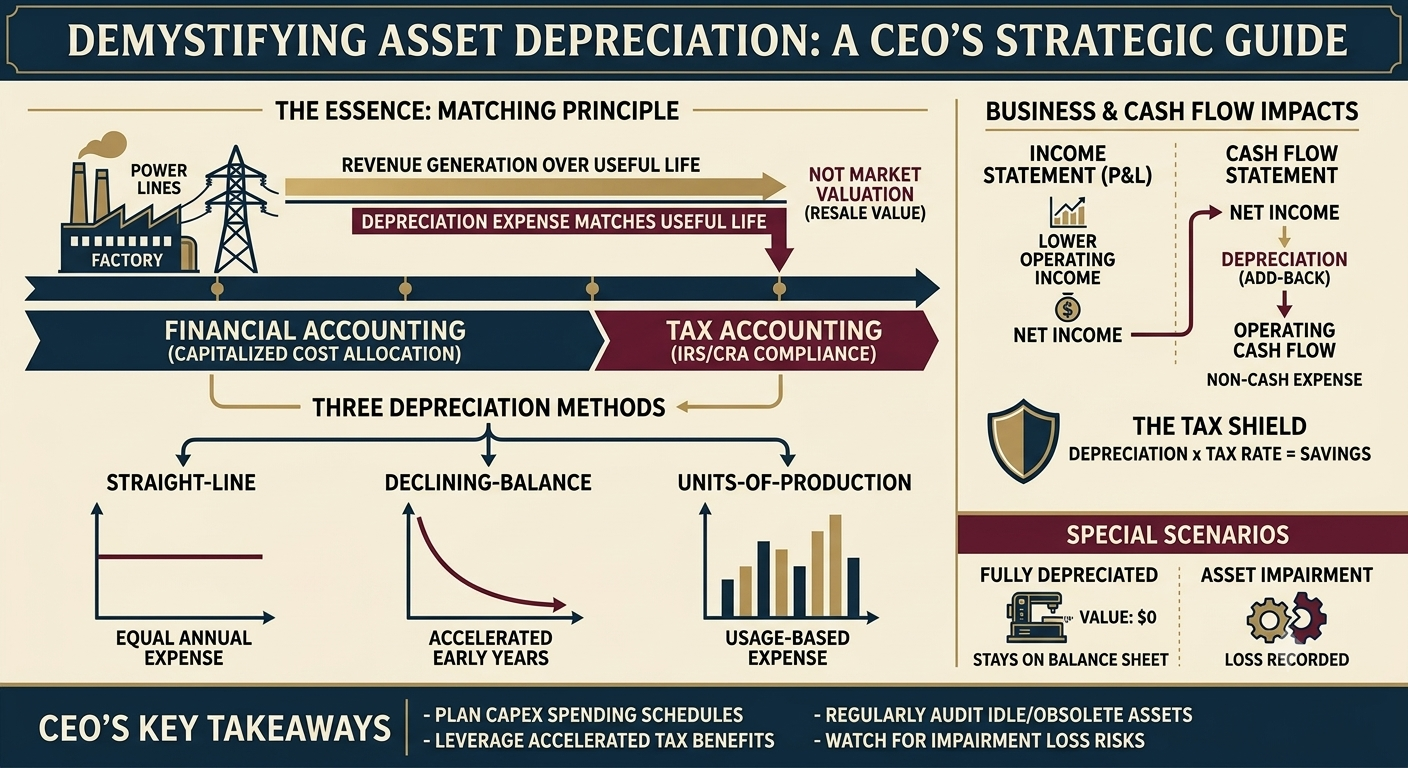
When business leaders purchase tangible assets—such as factories, commercial real estate, heavy machinery, corporate fleets, or IT infrastructure—a common question
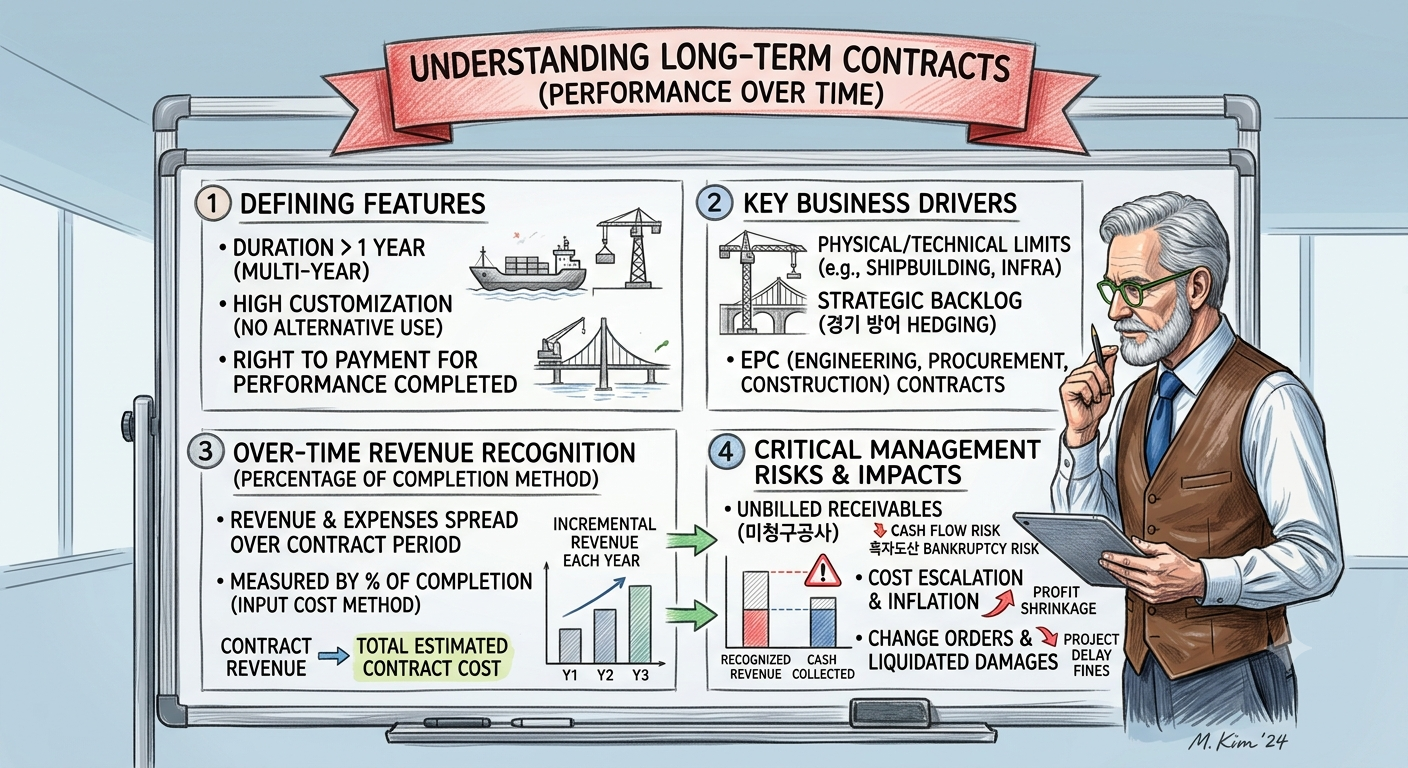
n previous discussions, we explored the five-step revenue recognition model and the nuances of variable consideration in modern accounting. Today,
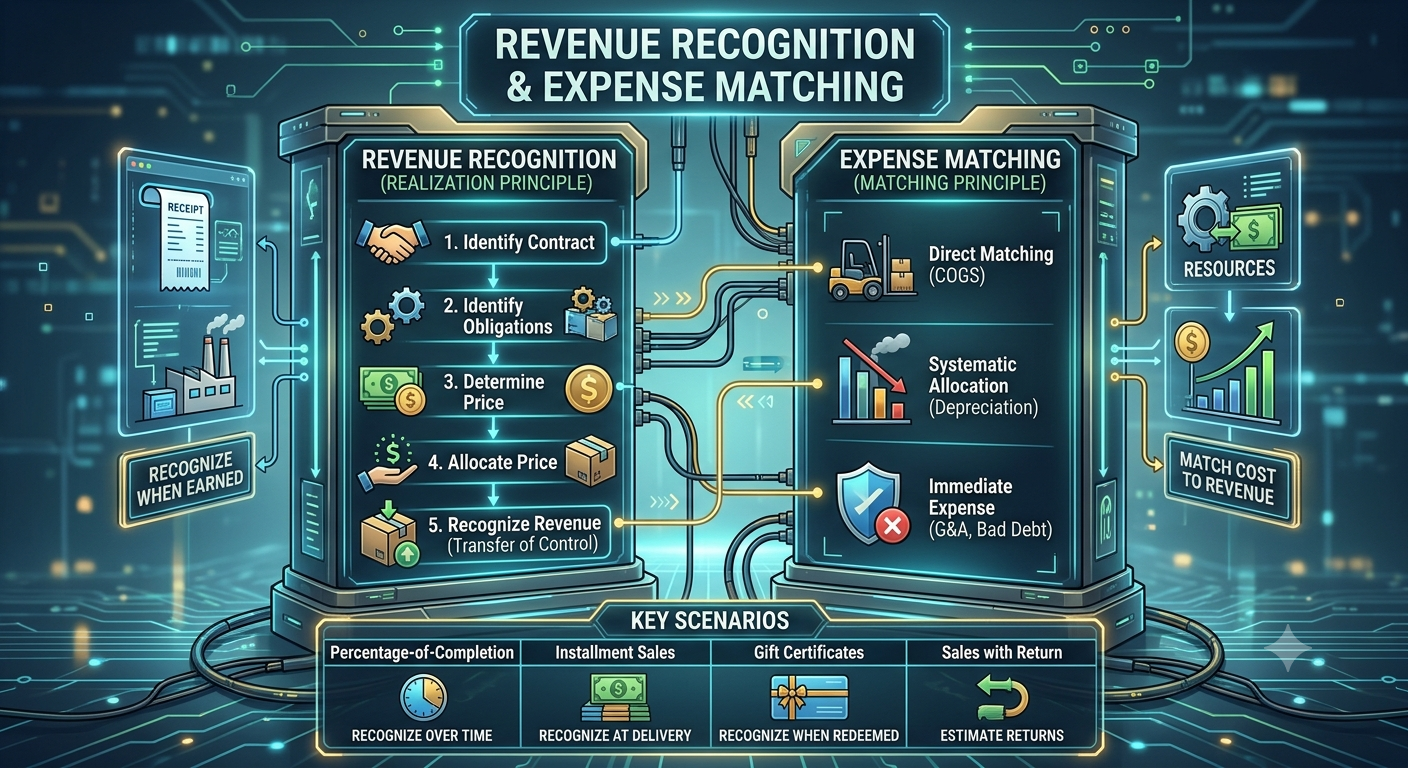
Every administrative effort surrounding bad debt allowances and bad debt write-offs originates from a single, fundamental accounting query: “At what