
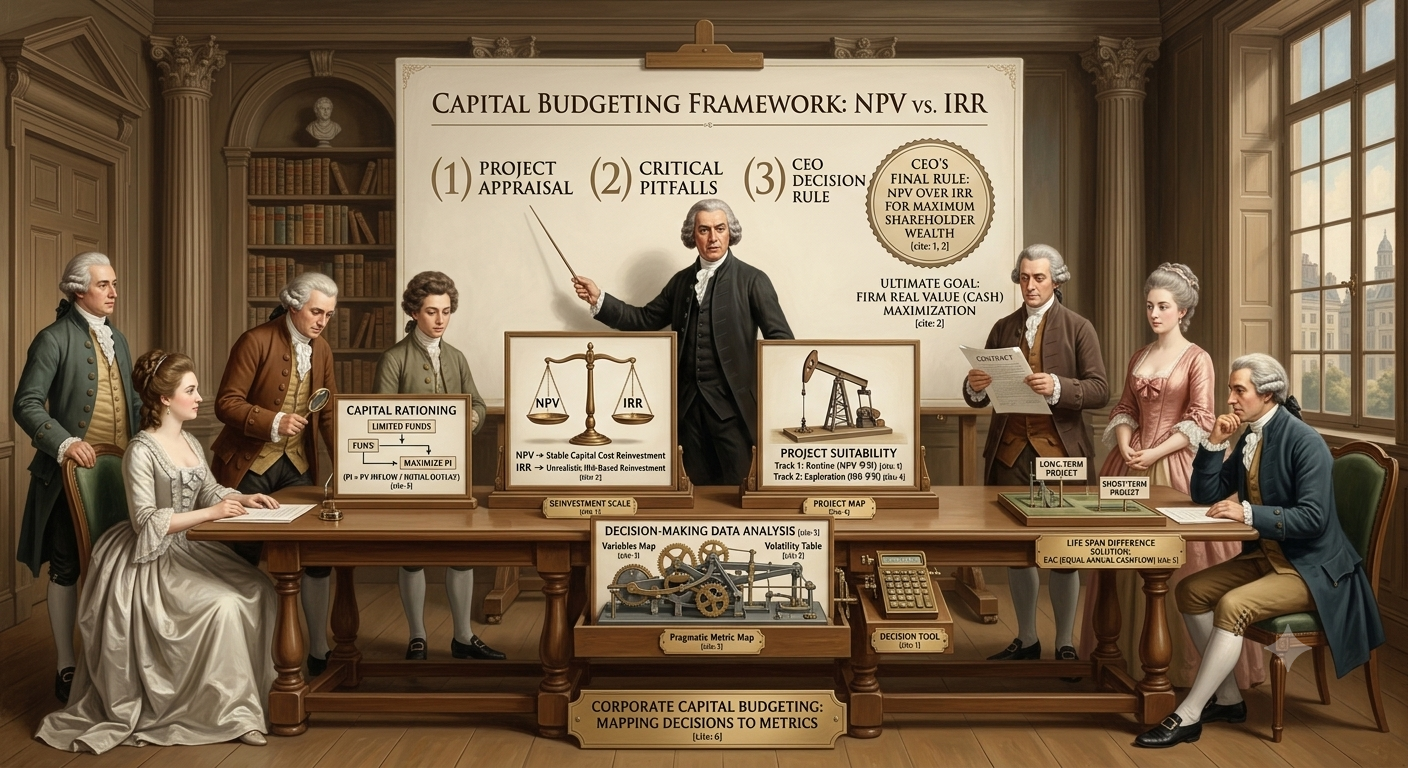
The Capital Budgeting Paradox: Resolving the Conflict Between NPV and IRR to Maximize Enterprise Value
In our previous session, we introduced the core mechanisms of capital budgeting, specifically focusing on Net Present Value and the […]

In our previous session, we introduced the core mechanisms of capital budgeting, specifically focusing on Net Present Value and the […]
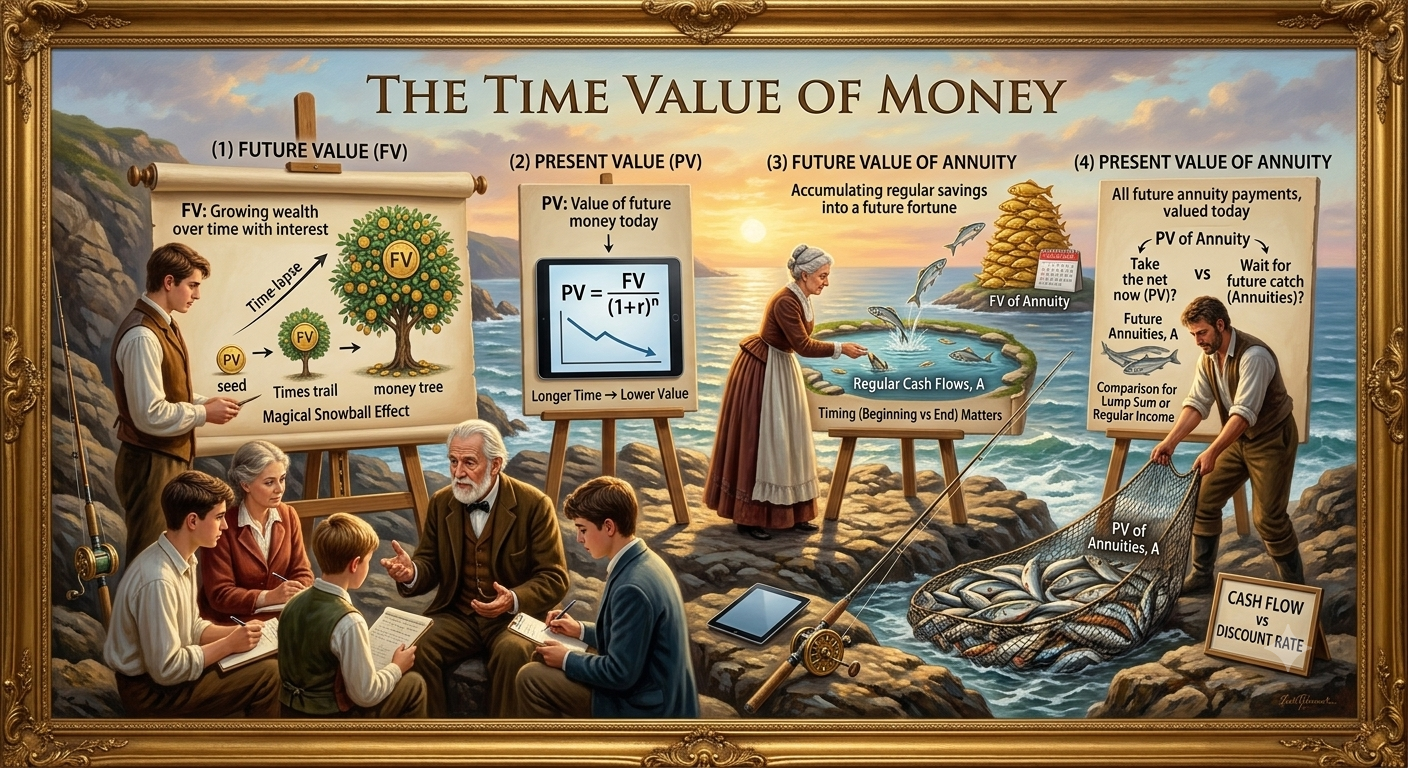
If past corporate financial management focused primarily on raw production costs and immediate sales metrics, modern strategic leadership relies heavily

In the past, corporate management often resembled a short-term survival game—squeezing immediate production costs and chasing this month’s sales targets.
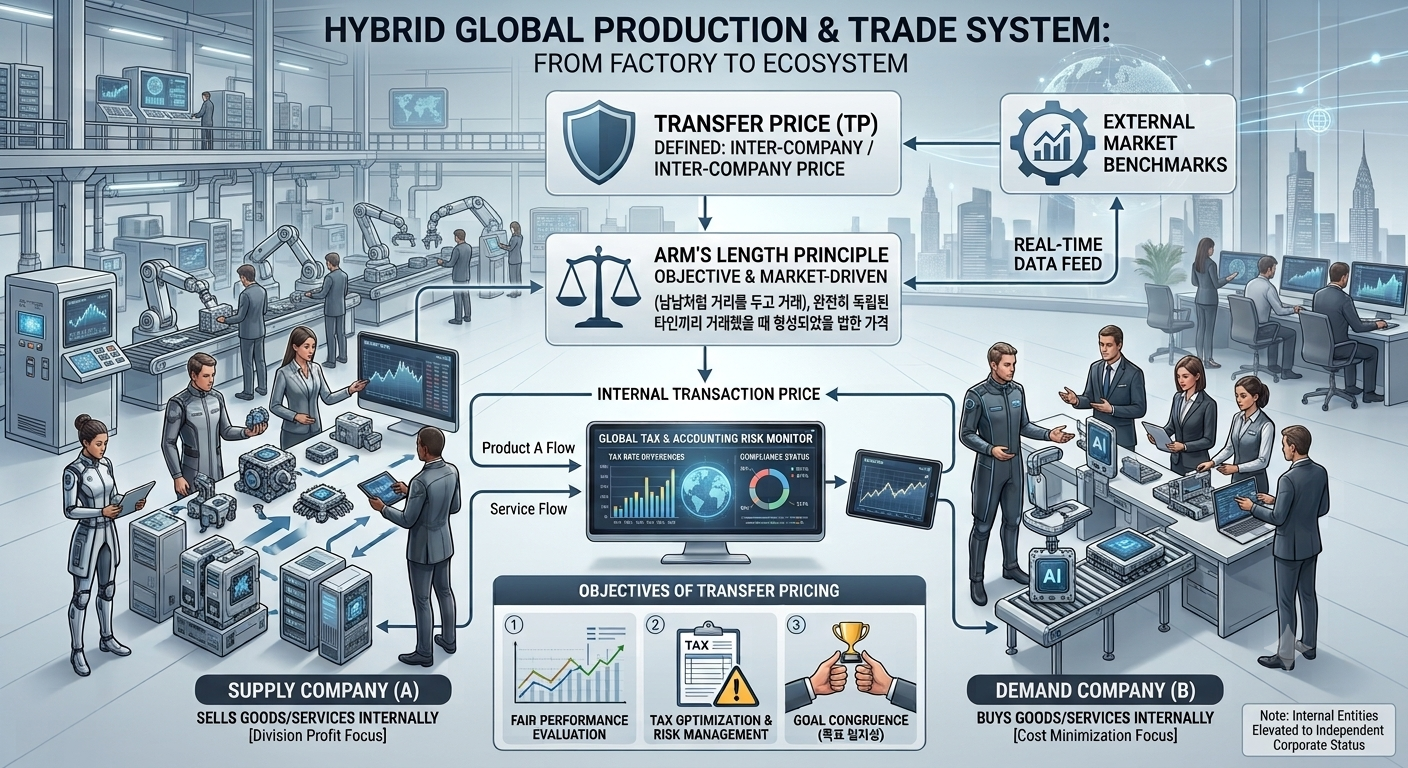
Where corporate management in the past operated under a massive, unified umbrella—treating internal goods and services as a single consolidated
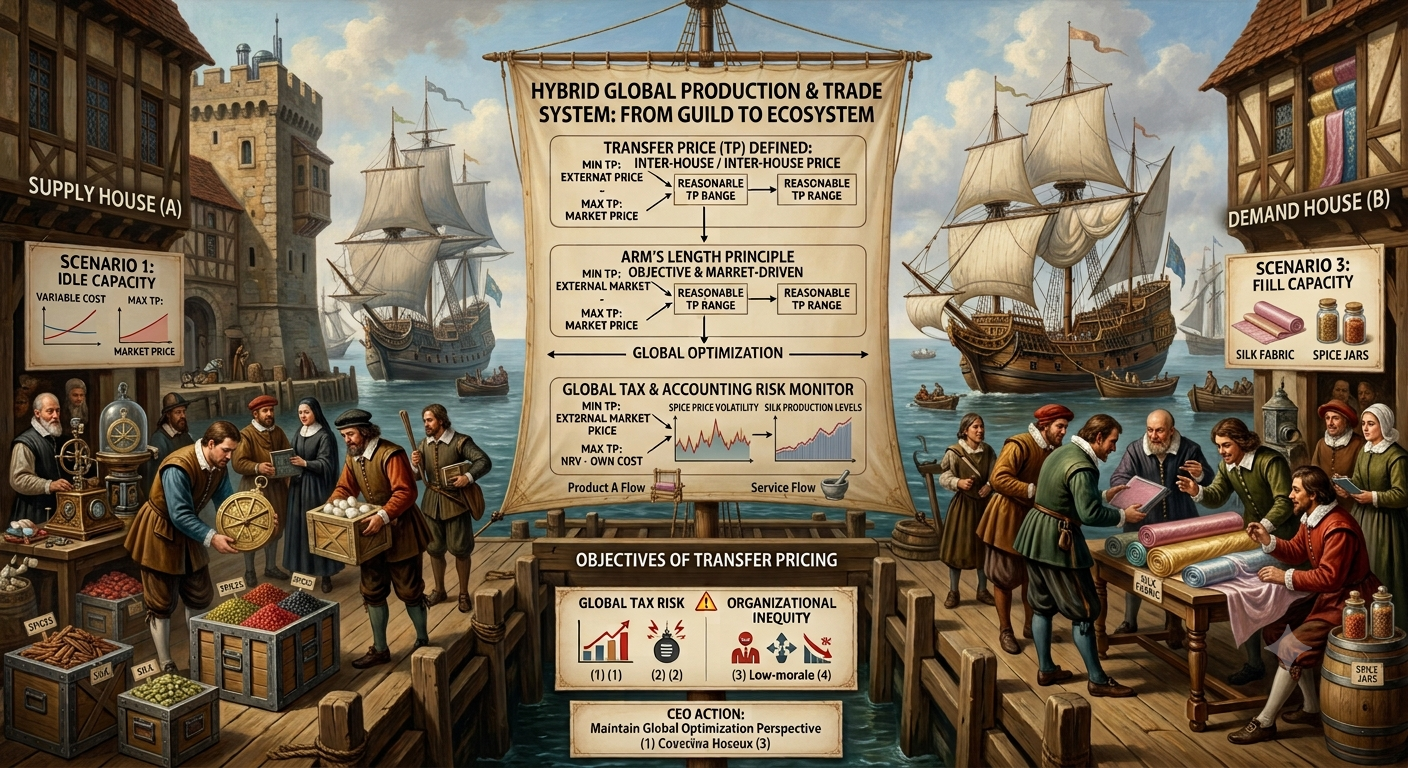
When a parent enterprise houses both a supply division and a demand division under the same corporate umbrella, executive leadership
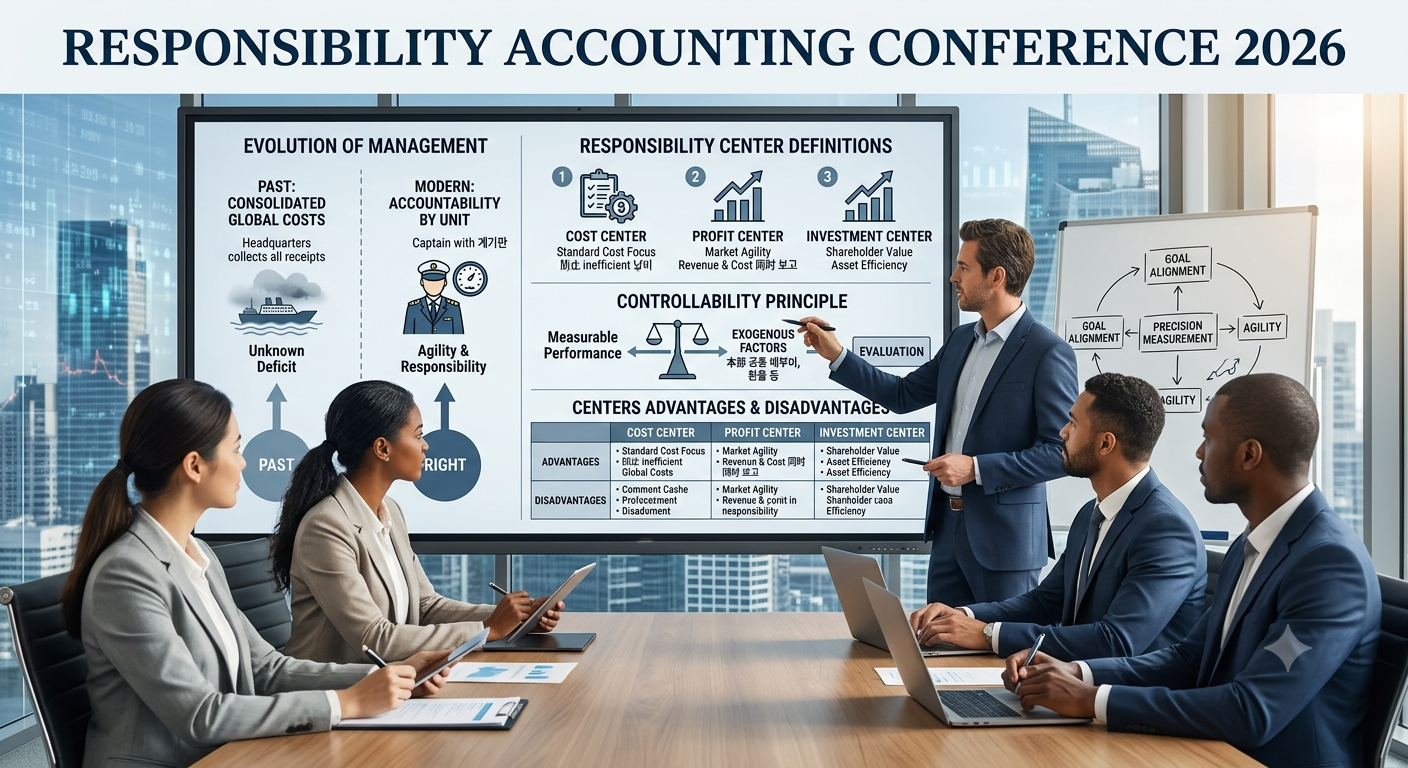
If traditional corporate management relied on a single unified structure—where corporate headquarters bundled every single departmental receipt together into a

“The precision of an organizational report card must match the level of authority delegated to its leaders.” In a highly
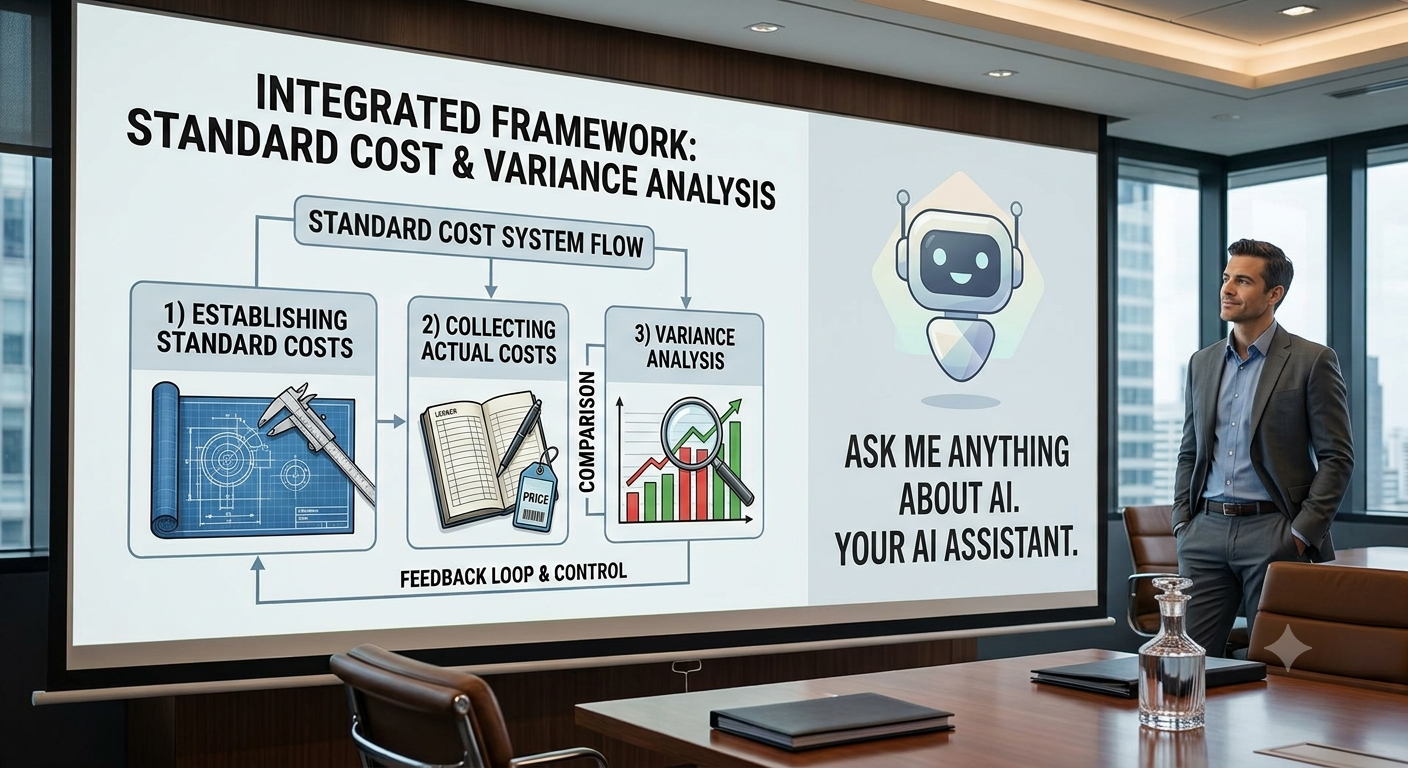
f traditional corporate management was limited to old-fashioned bookkeeping—essentially treating finance as a retrospective review of historical cash flows—modern business
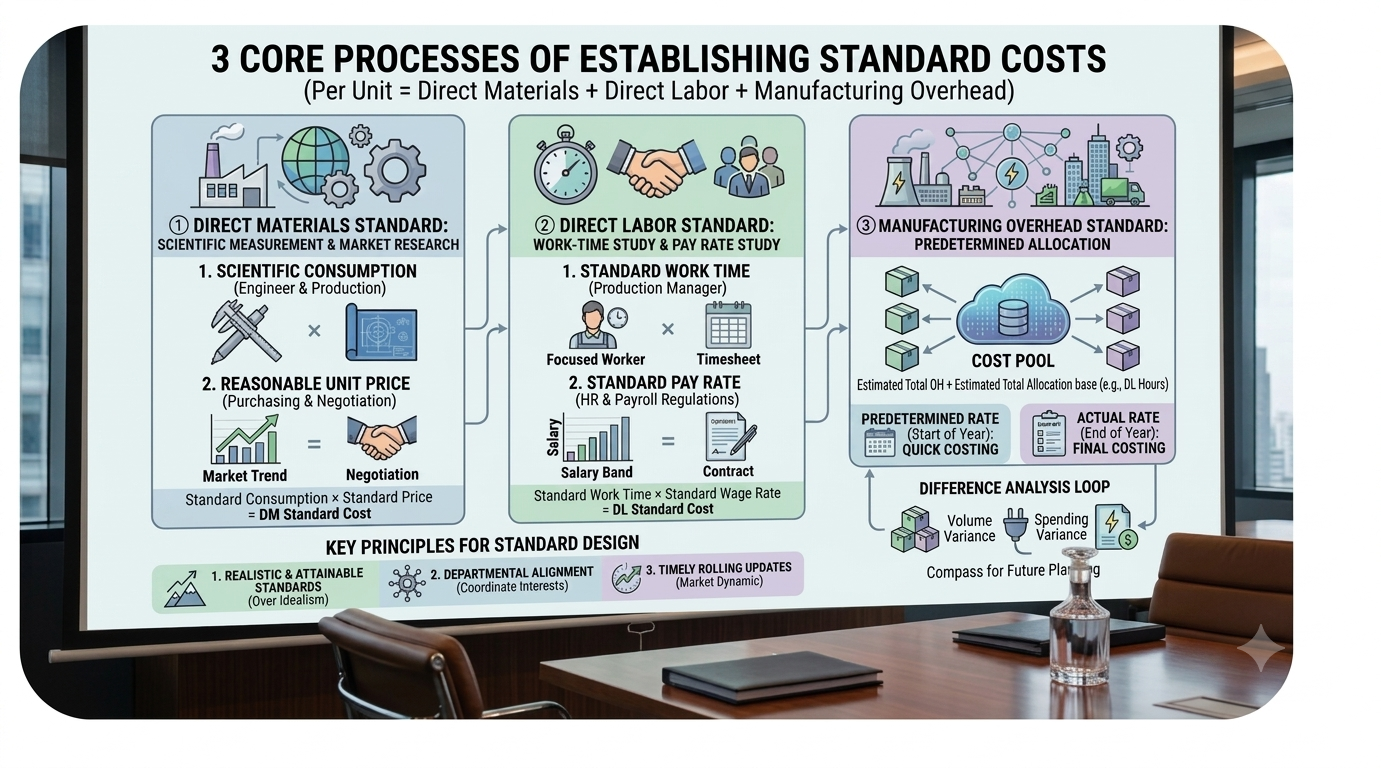
If traditional corporate management relied heavily on retrospective bookkeeping—essentially acting as a post-mortem review of historical receipts—modern predictive management begins
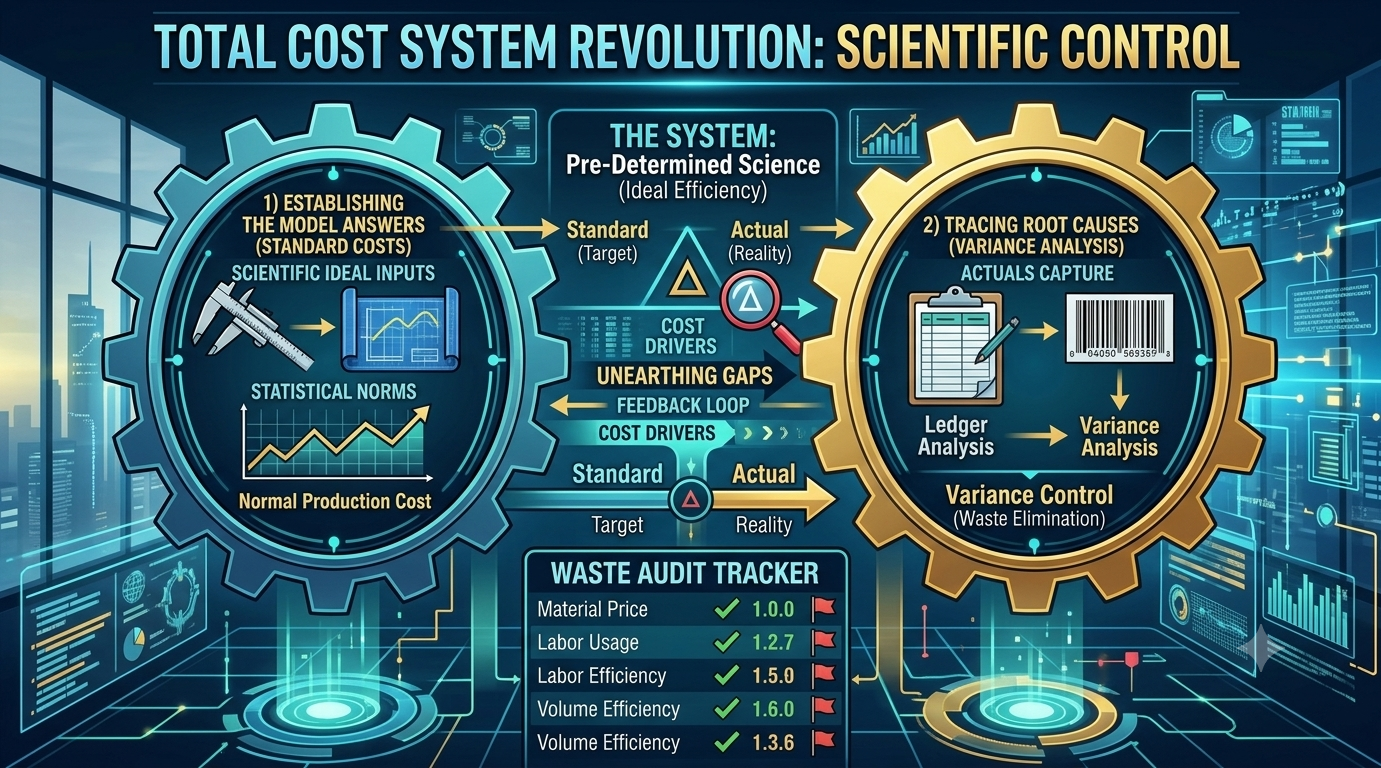
In the modern business landscape, the era of simply balancing the ledger books at the end of the month and