
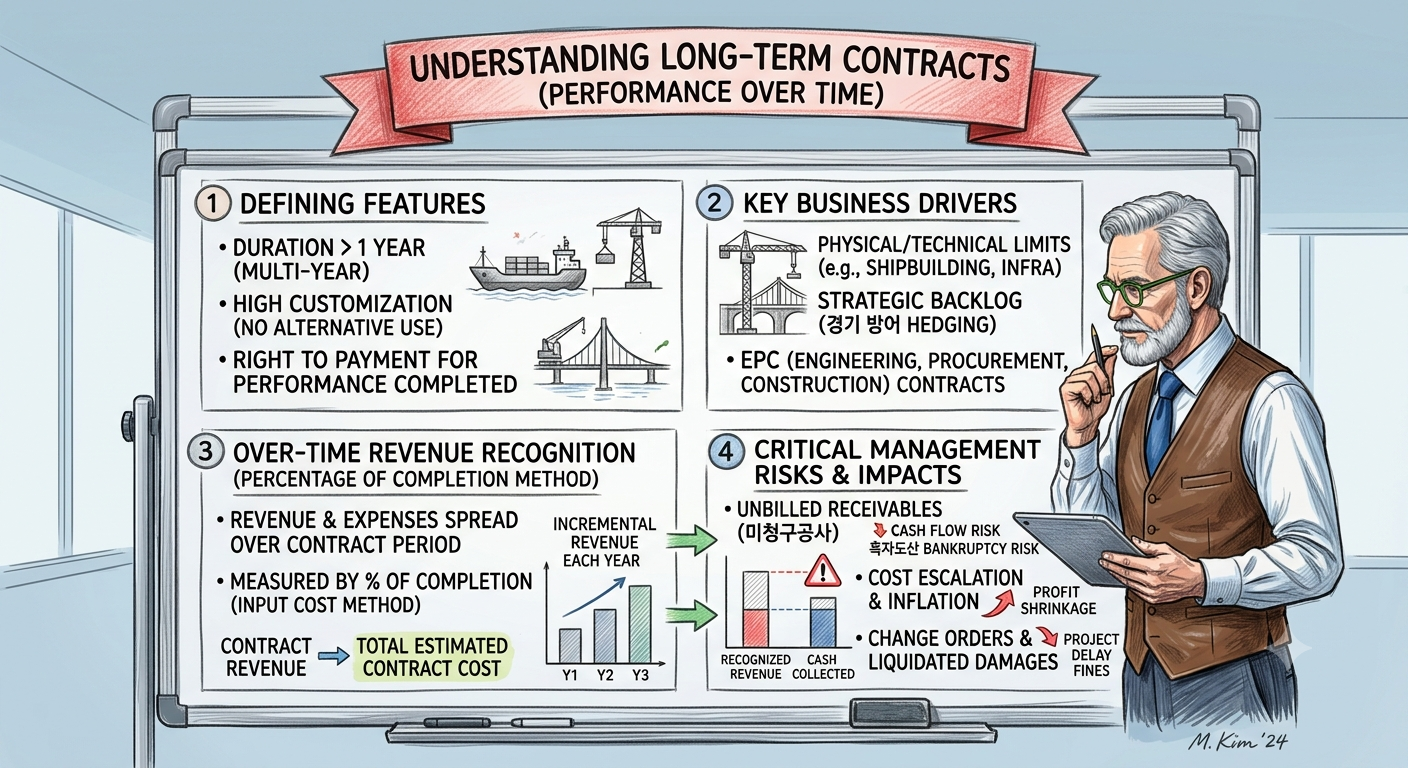
Long-Term Contracts: How Over-Time Revenue Recognition Shapes Corporate Financial Health
n previous discussions, we explored the five-step revenue recognition model and the nuances of variable consideration in modern accounting. Today, […]
accounting basics, accounting cycle, definition of accounting
n previous discussions, we explored the five-step revenue recognition model and the nuances of variable consideration in modern accounting. Today, […]
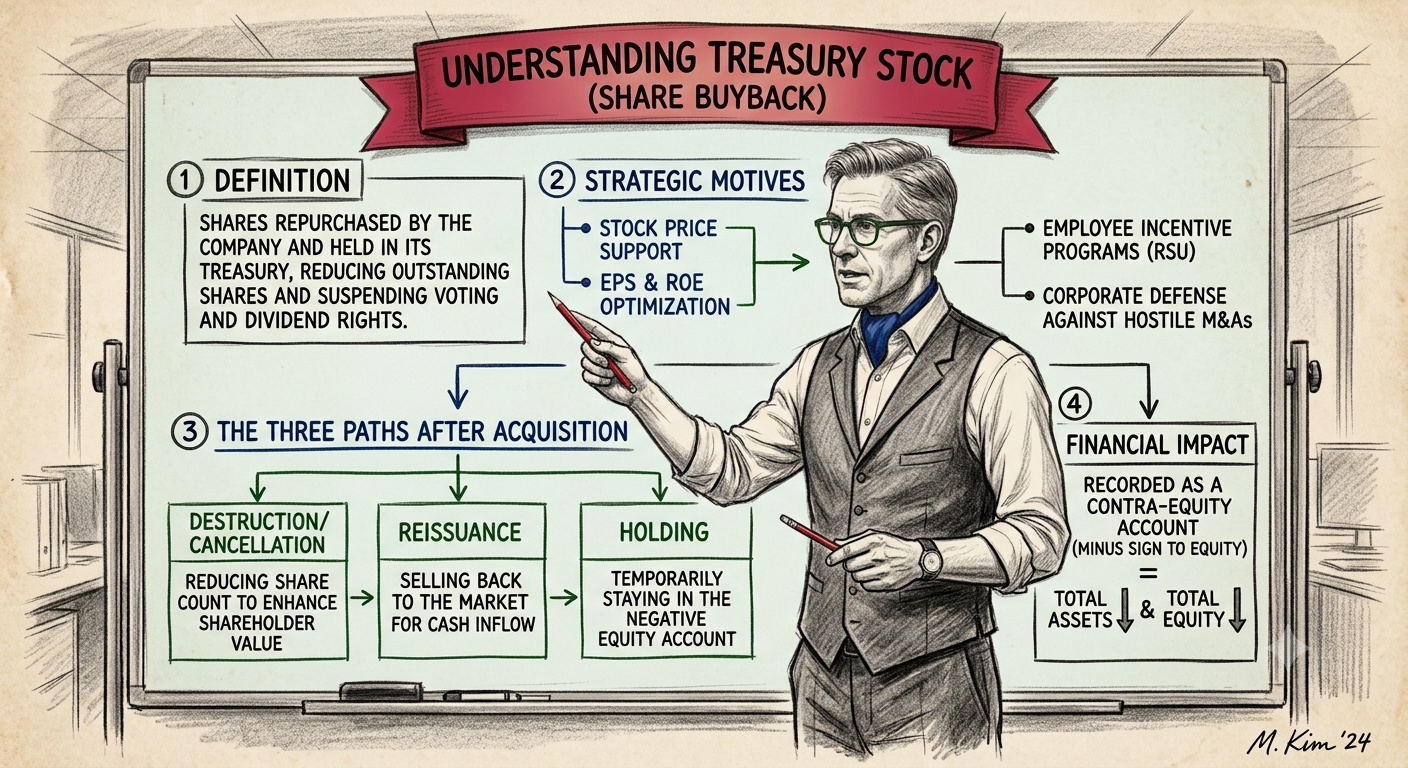
Hello! In our previous post, we explored the overall concept of ‘Capital Adjustment,’ the temporary waiting room in the Equity
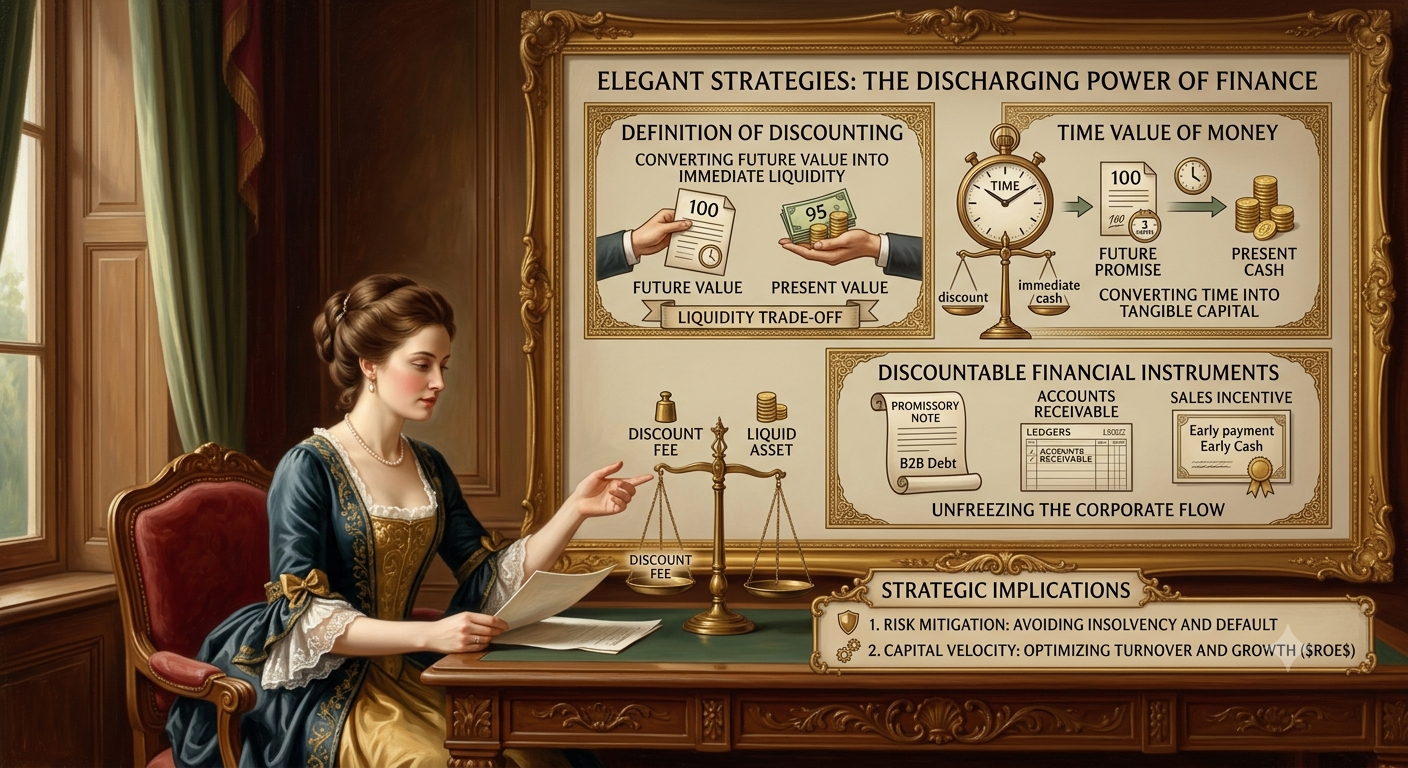
oday, we are diving deep into an essential financial management strategy that virtually every business encounters during its routine operations:
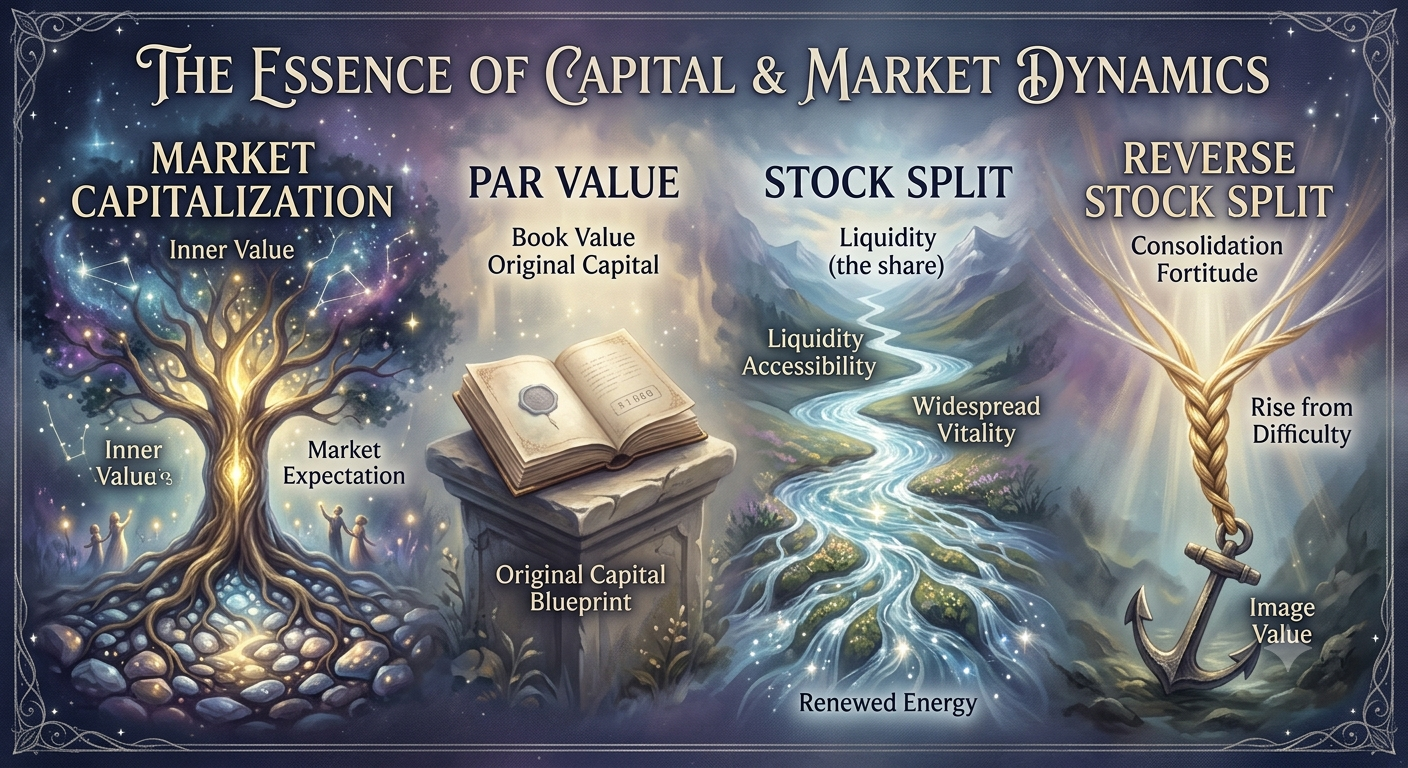
In our previous session, we established the structural backbone of corporate equity by examining the foundational capital transactions and the
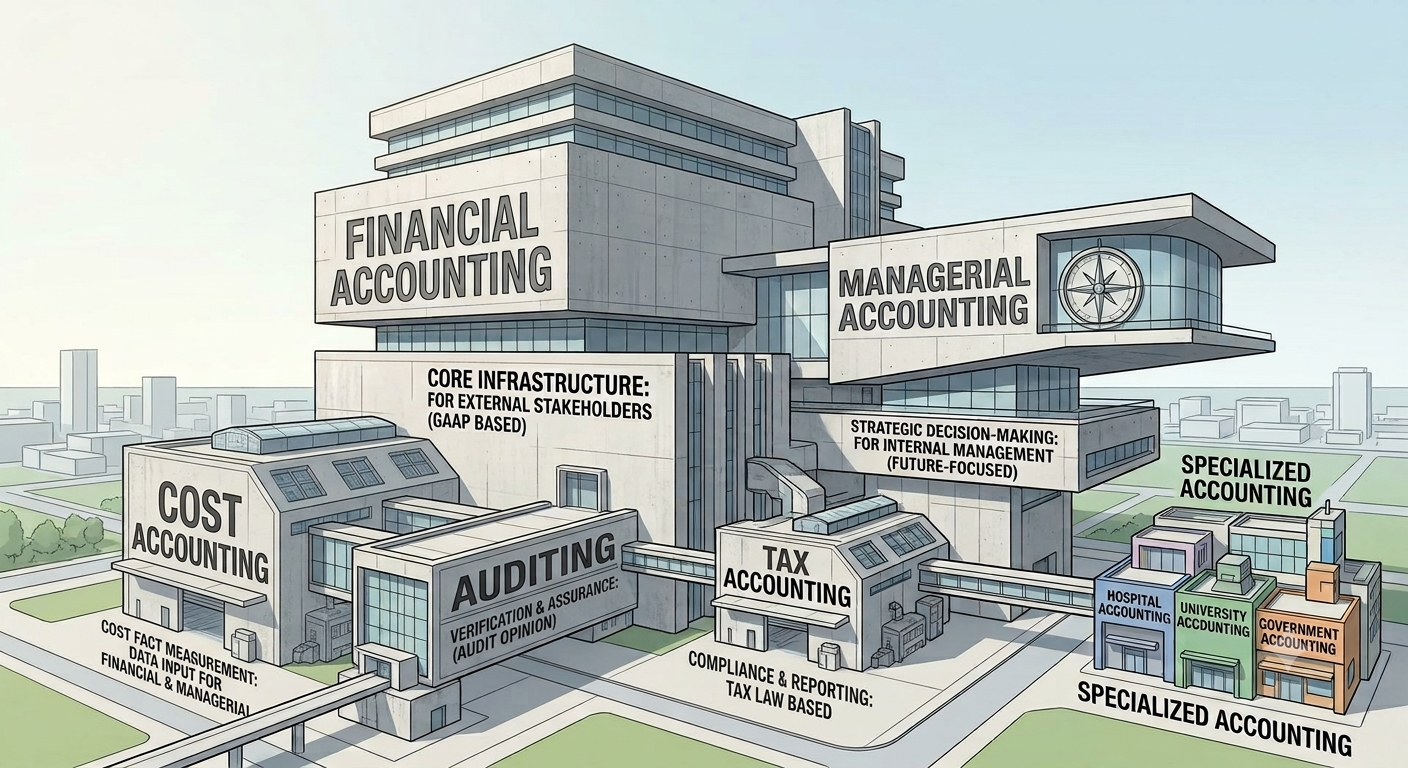
In the past, the accounting cycle was viewed as a purely mechanical routine of collecting paper receipts and copying transactions
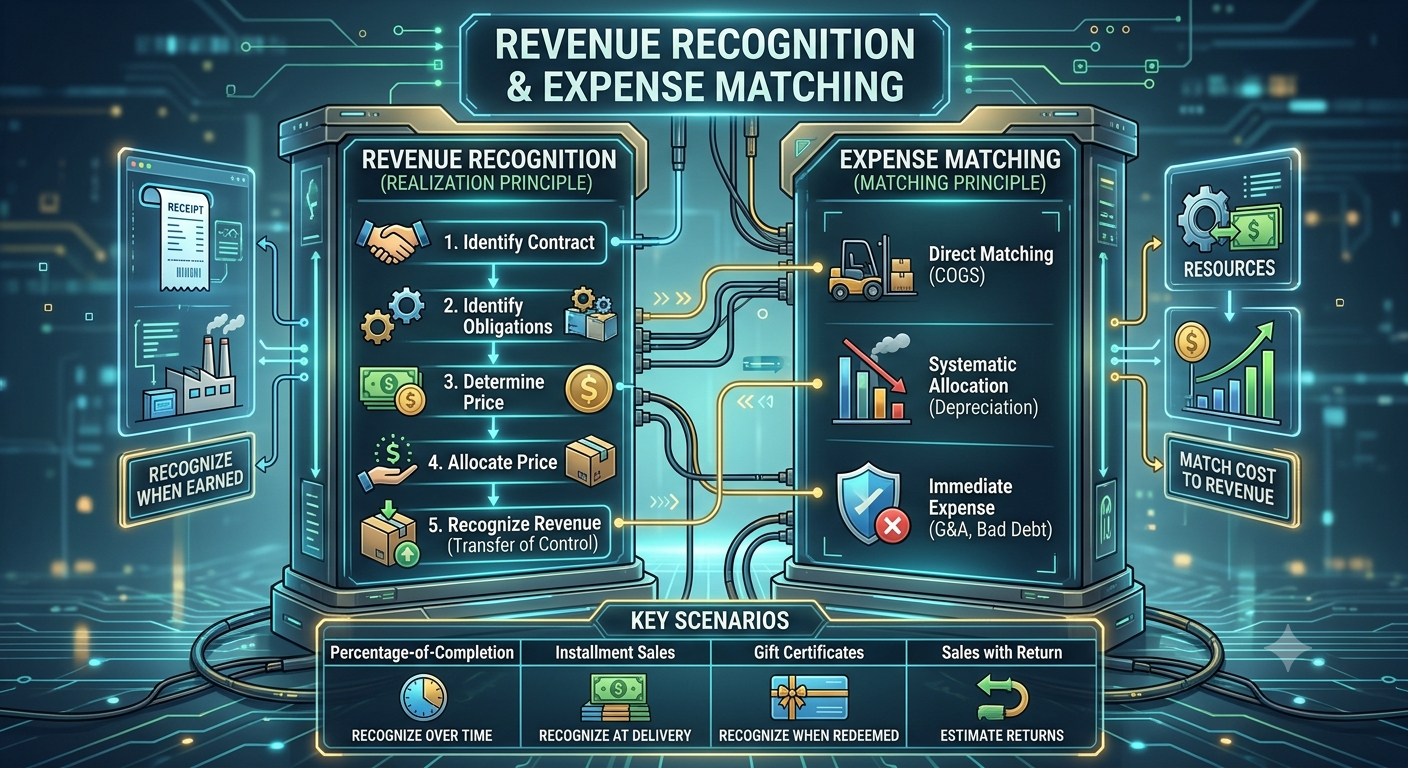
Every administrative effort surrounding bad debt allowances and bad debt write-offs originates from a single, fundamental accounting query: “At what
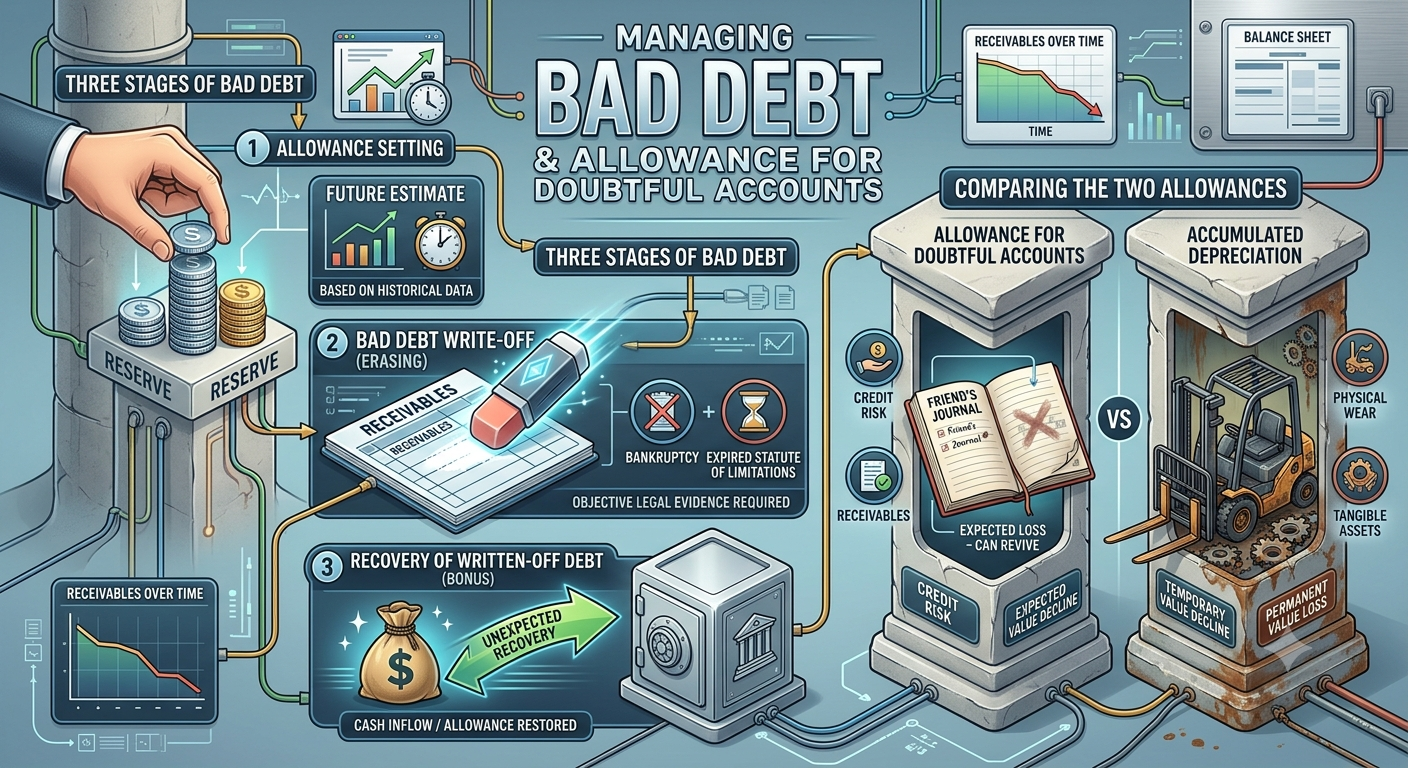
Greetings! In our previous post, we explored discounting accounts receivable and notes receivable to accelerate corporate liquidity. Today, we turn
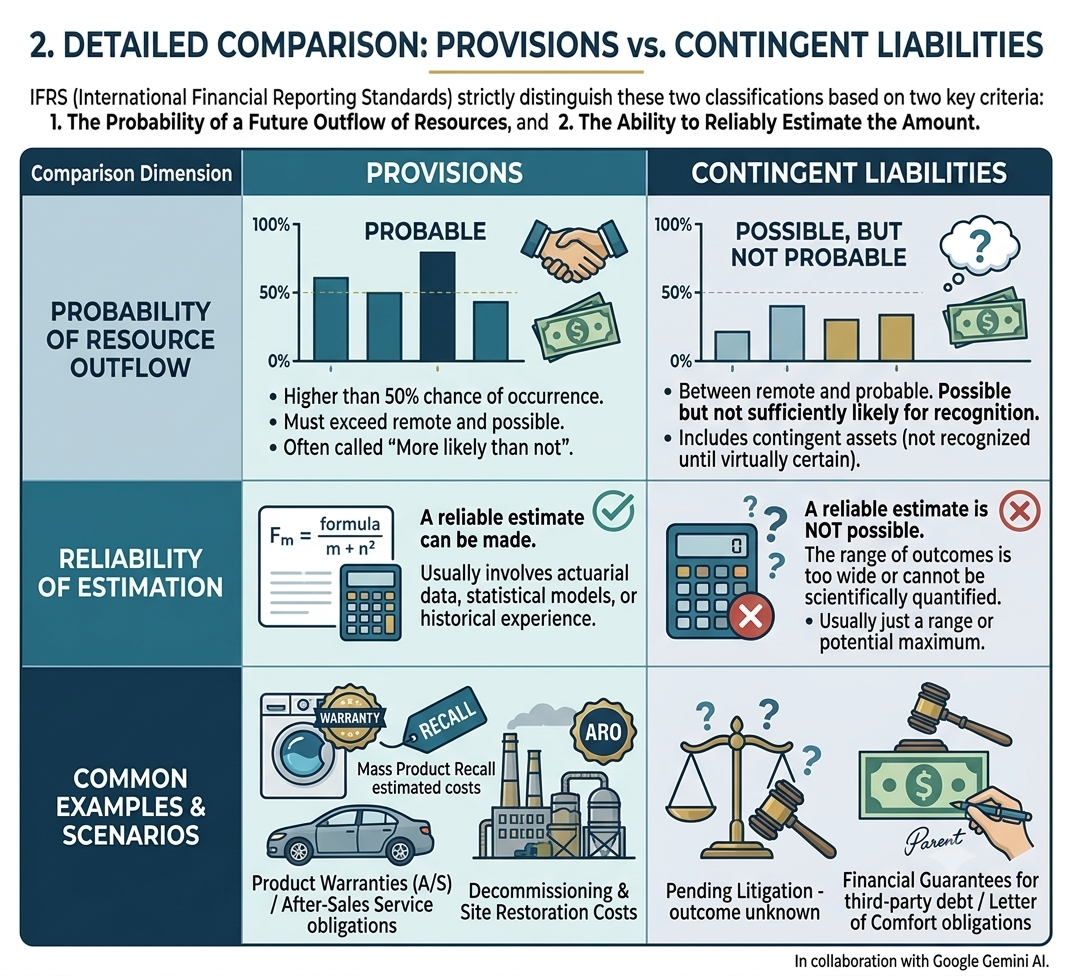
In our previous session, we explored bond redemption and refinancing strategies aimed at optimizing a corporation’s cost of capital. While
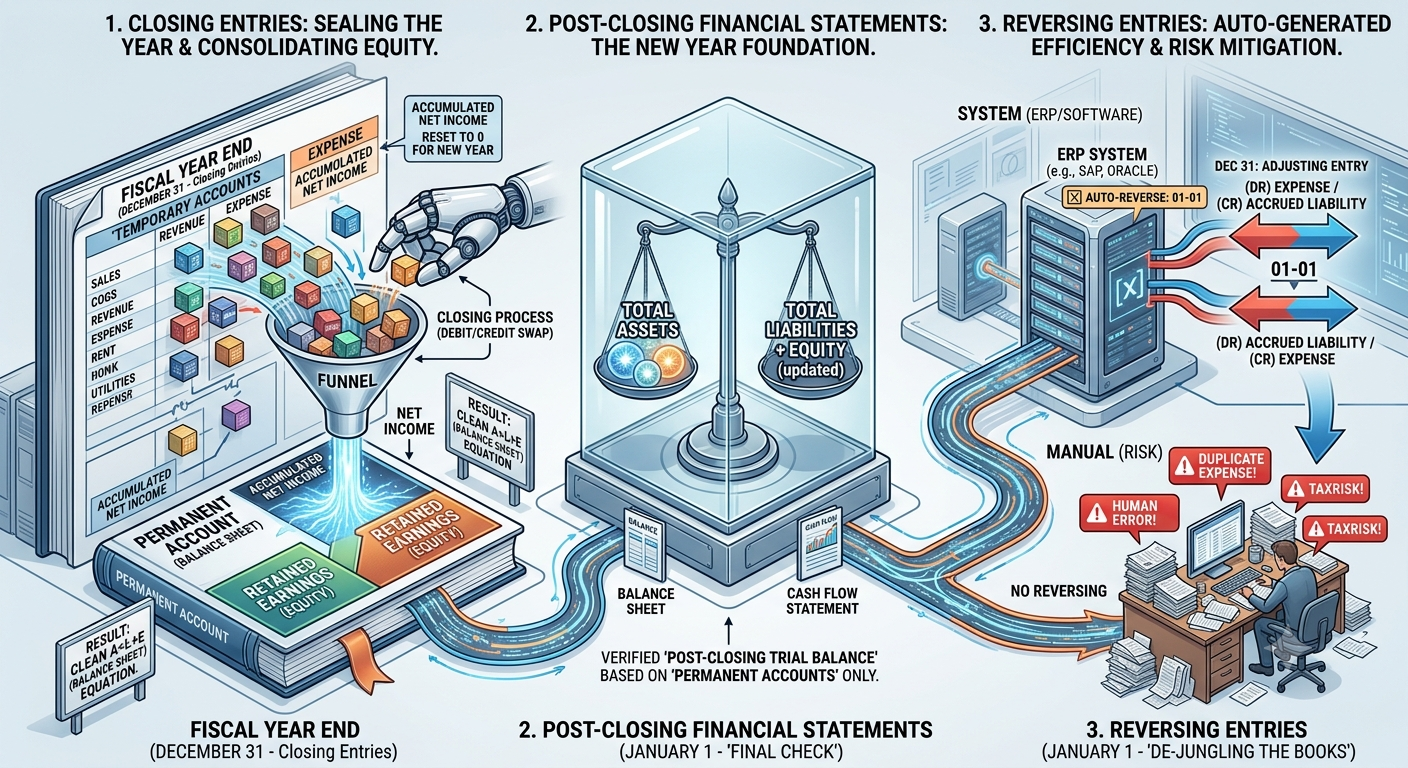
The fundamental accounting equation—Assets = Liabilities + Equity—and double-entry bookkeeping serve as the structural backbone of financial reporting. Together, they
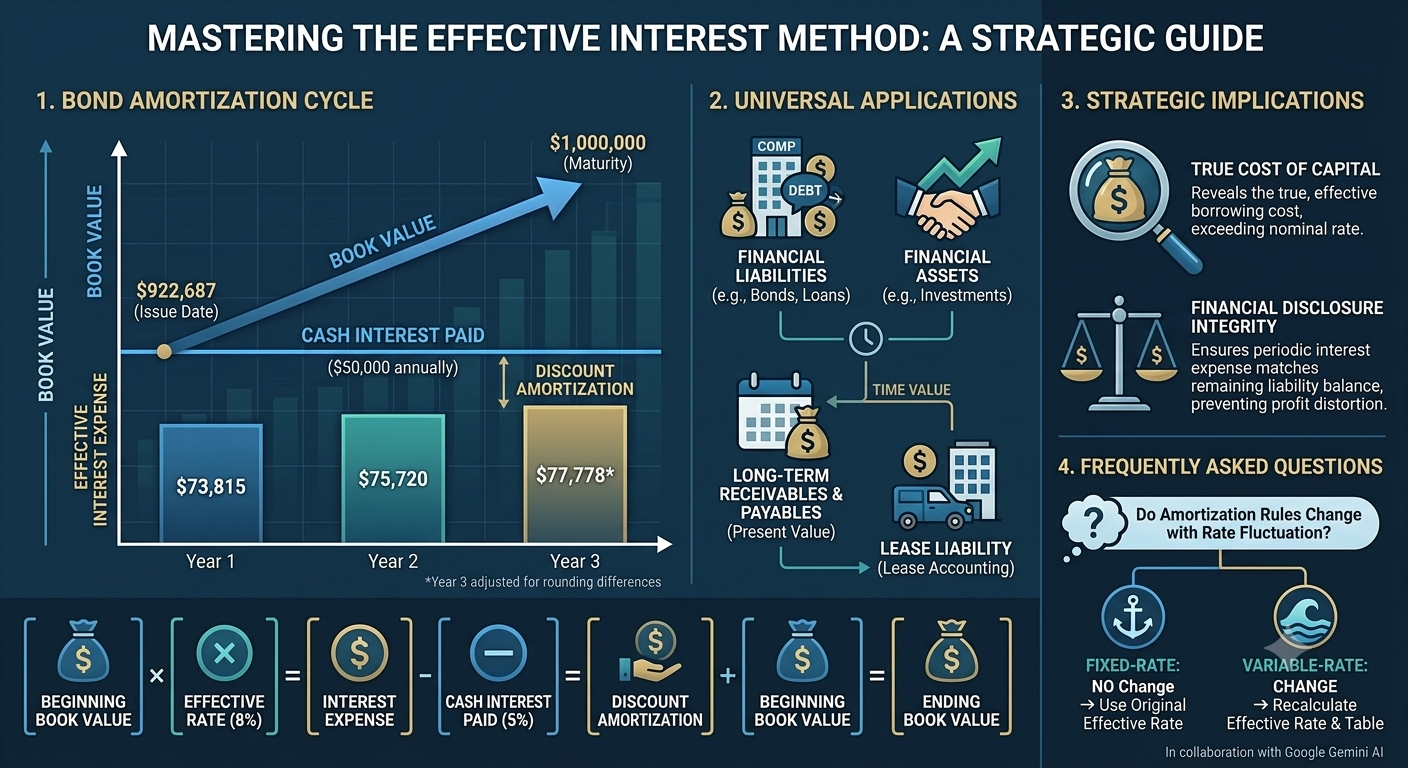
n both corporate finance and accounting, few concepts hold as much critical importance as the Effective Interest Method. This sophisticated